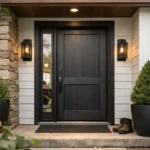
A door can look perfectly acceptable from the street and still be costing you money every winter. Cold air around the frame, a lock that needs a hard pull, water staining at the threshold, or daylight at the corners are not small annoyances. They are signs that the door, the opening, or the installation needs attention. Professional residential door installation addresses the entire system, so your home feels safer, quieter, and more comfortable through Calgary’s demanding weather.
For homeowners replacing an aging entry door or planning a new construction project, the product matters. So does the precision of the measurement, the condition of the opening, the insulation around the frame, and the final adjustment of the hardware. A quality door only performs as well as the work behind it.
What Residential Door Installation Should Include
A proper installation starts before the old door comes out. An experienced installer measures the rough opening, checks the sill and surrounding wall for signs of moisture damage, and confirms how the new door will work with exterior cladding, interior trim, flooring, and existing locks. This prevents unpleasant surprises after a product has been ordered.
Once the correct door has been selected and manufactured, the installation team should remove the existing unit carefully, inspect the opening, and make needed repairs before setting the new frame. The frame must be level, plumb, and square. Those details determine whether the door closes smoothly, seals evenly, and locks without forcing it into position.
The work should also include appropriate flashing and sealing at the sill, insulation around the frame, durable exterior caulking, and careful finishing inside and out. The final step is not simply closing the door. Installers should test the swing, reveal, weatherstripping, lockset, deadbolt, and threshold, then leave the work area clean and organized.
Why Calgary Homes Need the Right Door System
Calgary homeowners deal with sharp temperature swings, wind, snow, and intense sun. These conditions put pressure on door frames, weatherstripping, seals, and finishes. A poorly fitted door may allow drafts during a cold snap, then stick or become difficult to operate as materials expand and contract.
That is why the lowest door quote is not always the best value. A basic product installed without proper sealing can create recurring problems that cost more to correct later. On the other hand, a high-end door can still underperform if the opening is not prepared correctly or the frame is not adjusted with care.
The right solution depends on the location and use of the door. A front entry needs security, curb appeal, and a reliable seal. A patio door needs smooth operation and a low-maintenance track. A side or garage-entry door may prioritize insulation and durability. The goal is to match the product and installation method to how your household actually uses the opening.
Entry Doors: Security Meets Curb Appeal
Steel entry doors are a practical choice for many homes because they offer strong security, dependable insulation, and a broad range of styles. Fiberglass doors can provide the appearance of wood with excellent resistance to warping, dents, and weather exposure. Either option can be customized with sidelights, transoms, decorative glass inserts, hardware, and colors that complement the home.
Security should be considered as a complete assembly. A strong slab is only part of the equation. Reinforced lock areas, a quality deadbolt, secure hinges, a solid jamb, and a properly installed strike plate all contribute to protection. During installation, the frame must be anchored correctly so the door remains stable and the locking hardware aligns properly over time.
Patio, Garden, and French Doors
Backyard doors bring more daylight and access to outdoor living spaces, but they also need to manage wide openings and frequent use. Sliding patio doors are often a smart fit where swing space is limited. Garden and French doors can create a more traditional appearance and a wider opening, especially when the layout allows for door swing.
These systems need especially careful attention at the sill. Water management, drainage, and a level track are essential. If a patio door is difficult to slide, collects water, or lets cold air into the room, the cause may be installation-related rather than a problem with the glass itself.
Signs It Is Time to Replace Your Door
Some door problems can be resolved with a hardware adjustment or new weatherstripping. Others point to a failed or outdated unit. If your door has visible rot, rust, cracking, warped panels, damaged glass, or persistent drafts, replacement is often the more reliable long-term decision.
Watch for changes in everyday operation. A door that scrapes the floor, will not latch easily, rattles in the wind, or requires a shoulder to close should be inspected. Moisture around the interior trim, soft flooring near the threshold, or peeling paint can also indicate that water has been getting past the exterior seal.
Energy comfort is another useful indicator. If the room near your entry door feels noticeably colder than the rest of the house, the door and frame may no longer be insulating effectively. Replacing an inefficient door can help reduce uncomfortable drafts while improving the appearance and function of the entrance.
Choosing a Door Without Paying for Features You Do Not Need
Door shopping can become confusing quickly because every option sounds essential. Start with the factors that affect daily performance: the door material, insulation value, glazing, security hardware, exposure to weather, and desired maintenance level. Then consider style details such as panel design, glass, finish, and decorative hardware.
A south-facing front door may need a finish and material suited to stronger sun exposure. A shaded side entry may be more focused on moisture resistance and practical durability. If privacy is a concern, textured or internal-blind glass may make more sense than a clear decorative insert. For a busy household, a simple, durable finish may be more valuable than a highly detailed design that requires extra care.
Custom sizing is also worth discussing. Older homes do not always have standard openings, and forcing a stock-sized door into an irregular opening can lead to excessive framing changes or compromised trim work. A manufacturer that can build for the project helps preserve the fit, appearance, and performance of the finished entrance.
The Value of Manufacturer-Direct Service
When one company manufactures, supplies, and installs residential doors, there is less room for confusion between the product seller and the installation crew. Measurements, customization, production, delivery, and installation can be coordinated as one process. That provides homeowners with clearer accountability and a more consistent result.
Window Seal West manufactures Canadian-made doors locally in Calgary and manages projects from consultation through professional installation. Factory-direct service can also help homeowners save up to 25% compared with traditional retail pricing, while still choosing the style, glass, hardware, and configuration that suit their home.
A clear quote should explain what is included: the door system, removal and disposal of the existing unit, installation materials, trim or finishing work, and warranty coverage. If financing or current promotions would make the project easier to manage, ask about those options before making a final decision. Good information upfront makes it easier to compare proposals fairly.
Questions to Ask Before Scheduling Installation
Before approving a quote, ask who will measure the opening and who will perform the work. Confirm whether the company handles any required repairs discovered around the sill or framing, and ask how exterior flashing and interior insulation will be addressed. You should also understand what warranty applies to the door, glass, hardware, and installation labor.
It is reasonable to ask what the installation day will look like. A professional team should explain access needs, expected timing, how they will protect floors and nearby finishes, and how they will handle cleanup. Home improvement work can be disruptive, but it should not leave your entryway exposed, cluttered, or unfinished.
The best residential door installation is one you stop thinking about after the crew leaves. Your door should close easily, lock securely, block the weather, and make the entrance feel like it belongs to your home. Start with an accurate consultation, choose a system built for local conditions, and insist on installation work that treats every gap, seal, and adjustment as part of the finished product.