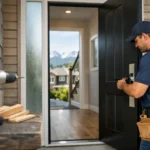
Your front door is asked to do more than make a good first impression. It has to stand up to hard weather, protect the people and belongings inside, limit drafts at a major opening, and operate reliably every day. The right front entry doors make a home feel safer, quieter, and more finished from the curb.
For homeowners planning a replacement, the best choice is rarely the cheapest door on the quote. Material, construction, glass, hardware, insulation, and installation all affect how the door performs over time. A well-planned entry door upgrade can add daily comfort while improving the appearance and value of the home.
What Good Front Entry Doors Need to Deliver
An entry door should fit the home, but performance comes first. Calgary-area homes experience serious temperature swings, wind, snow, and strong sun. A door that looks attractive in a showroom but is poorly insulated or incorrectly installed can become a source of cold air, moisture concerns, and frustration.
Start with security. A quality exterior door needs a solid frame, dependable hinges, a secure deadbolt area, and hardware that feels firm rather than loose. The lock is only one part of the system. The strength of the slab, jamb, strike plate, and installation work together to resist forced entry.
Energy efficiency is equally practical. Insulated door panels, properly sealed glass inserts, and tight weatherstripping help reduce air leakage around the opening. This is particularly noticeable in an entryway, where a draft can make nearby rooms uncomfortable even when the rest of the house is warm.
Then there is curb appeal. Your entry door sets the visual tone before a guest steps inside. The right color, glass style, panel design, and sidelights can give a dated facade a more polished appearance without changing the entire exterior.
Steel or Fiberglass: Which Door Material Fits Your Home?
Steel and fiberglass are the most common choices for residential entry doors, and both can be excellent options. The better fit depends on your priorities, the exposure of your entrance, and the look you want to achieve.
Steel entry doors
Steel doors are a strong, value-focused choice. They offer excellent security, can be well insulated, and suit homeowners looking for a clean, classic exterior door at a practical price point. Modern steel doors are available in many panel configurations and can be paired with decorative glass and sidelights for a more custom appearance.
The trade-off is that steel can dent if it takes a hard impact. Scratches also need attention to help prevent corrosion. For a covered front entrance with normal household traffic, a quality steel door can provide long-lasting performance and significant value.
Fiberglass entry doors
Fiberglass doors are known for durability and design flexibility. They resist dents better than steel, tolerate changing temperatures well, and can be finished to resemble stained wood without the regular maintenance associated with a traditional wood door.
Fiberglass is often the better choice when the doorway receives intense sun, faces frequent weather exposure, or calls for a more detailed wood-grain look. It may cost more upfront than a basic steel option, but many homeowners find the durability and low-maintenance finish worthwhile over the long term.
A professional consultation should focus on your actual entrance, not simply on which material is considered premium. The direction your door faces, whether there is an overhang, the style of your home, and your budget all matter.
Glass Inserts Add Light Without Giving Up Privacy
A solid door offers privacy, but it can leave an entryway dark. Decorative glass inserts provide natural light and visual character while preserving the level of privacy that feels right for your household.
There are many ways to use glass effectively. A small upper insert brings in light while keeping most of the slab solid. Full-length glass can create a more open, contemporary look. Sidelights are especially useful for wide entryways, where they add brightness without requiring an oversized door panel.
Privacy glass, textured patterns, internal grills, and decorative caming can all change the final effect. Clear glass may suit a sheltered entrance with a private view, while obscured or patterned glass is often the more comfortable choice for a front door facing the street.
Glass should never be treated as an afterthought. Exterior-rated inserts need proper sealing and energy-efficient construction to help prevent drafts and condensation. The quality of the seal around the glass matters just as much as the style selected.
The Frame and Installation Matter as Much as the Door
Homeowners often compare door slabs and hardware but overlook the frame. That is a mistake. Even a high-quality door cannot perform as intended if the opening is out of square, the frame is not secured correctly, or gaps around the perimeter are poorly insulated.
Professional installation begins with measuring the opening carefully and assessing the existing frame, threshold, and surrounding wall conditions. Older homes can have settling, water damage, or previous installation issues that need to be addressed before the new unit goes in.
A properly installed door should open and close smoothly, latch without force, and maintain even reveals around the perimeter. Weatherstripping should make consistent contact, and the threshold should be adjusted to help block air and water without dragging on the door. Clean installation practices also matter. A front entry project should leave your home protected during the work and your property tidy afterward.
At Window Seal West, doors are manufactured locally and installed by experienced professionals, giving homeowners one accountable team from product selection through final fitting. That direct approach helps support customization, clear communication, and factory-direct value.
Design Details That Change the Final Result
A new entry door is a visible investment, so small design decisions deserve attention. Consider the exterior color alongside siding, brick, stone, trim, and garage doors. A bold black, deep blue, or red door can create a focal point, while a neutral finish may better support a traditional exterior.
Hardware should match both the home style and everyday use. A modern handle set can sharpen the look of a contemporary facade, while classic hardware may suit a more traditional property. Finish matters too. Choose one that coordinates with exterior lighting, house numbers, and other visible metal details rather than treating each item separately.
Think about scale. A narrow entrance may benefit from a door with vertical glass, while a broad front elevation can support sidelights or a transom. If the current doorway feels dark or undersized, changing the configuration can have a bigger visual impact than changing the panel design alone.
How to Compare Entry Door Quotes Fairly
A low initial quote may not represent the same product or level of service as a complete replacement quote. Ask what is included before making a decision. The material, glass package, frame, hardware, removal of the old door, insulation work, interior and exterior finishing, and warranty coverage should all be clear.
It is also reasonable to ask about manufacturing lead times, installation scheduling, and who will handle concerns after the project is complete. A door is a long-term part of your home, and responsive service matters after installation day.
Factory-direct pricing can be especially valuable when you want a custom-sized or customized door without adding unnecessary layers between the manufacturer and your home. Financing options may also make it easier to choose the door that meets your needs now instead of settling for a short-term fix.
Your front entrance should welcome guests, protect your household, and hold its comfort through every season. Take the time to select a door system built for your home, then have it measured and installed by professionals who stand behind the finished work.