A house tells you when its windows are losing the battle with winter. The glass feels cold from across the room. Drafts show up near the sofa. Condensation starts building at the corners. If you are shopping for the best windows for cold weather, you are not really buying glass alone. You are buying comfort, lower heating strain, and confidence that your home can handle deep freezes without wasting energy.
For homeowners in colder climates, window choice matters more than many people expect. A good-looking unit that performs poorly in winter can leave you paying for heat that never stays inside. The better approach is to focus on the window system as a whole – frame, glass package, spacers, weatherstripping, and installation quality all have to work together.
What Makes the Best Windows for Cold Weather?
Cold-weather performance starts with insulation. Windows lose heat in several ways, including through the glass, around the frame, and at weak installation points. That is why the best windows for cold weather are usually not defined by one feature. They combine efficient glazing, airtight construction, durable seals, and a frame material that stands up to temperature swings.
Homeowners often focus on pane count first, and that makes sense, but more panes do not automatically mean better results. A poorly made triple-pane window can still underperform if the seals, spacers, or frame are weak. On the other hand, a well-built double-pane unit with a strong low-E coating and argon gas fill may be enough for some homes and budgets. The right answer depends on your house, your exposure to wind, and how long you plan to stay in the property.
The Window Styles That Perform Best in Winter
Some window styles are naturally better at keeping out cold air. That comes down to how they close and seal.
Casement and Awning Windows
Casement and awning windows are usually among the strongest performers in cold weather because they compress tightly against the frame when closed. That style of seal helps reduce air leakage, which is one of the biggest causes of discomfort during winter. If your main concern is draft reduction, these styles deserve serious attention.
They also work well in rooms where ventilation still matters. A casement window can catch side breezes when opened, while an awning window allows some airflow even during light rain or snow. The trade-off is that these operating styles have more hardware, so quality matters. Cheap hardware tends to show its age faster.
Fixed and Picture Windows
If maximum energy efficiency is the goal, fixed windows are hard to beat. Because they do not open, they have fewer opportunities for air leakage. That makes them a smart choice for living rooms, stairwells, and spaces where natural light matters more than ventilation.
Picture windows often pair well with operable units nearby. This gives you the best of both worlds – a large insulated glass area for daylight and views, plus opening sections where you need airflow.
Sliding and Single- or Double-Hung Windows
Sliding and hung windows remain popular because they are familiar, practical, and often cost less upfront. But for very cold climates, they typically do not seal as tightly as casement or awning models. That does not mean they are a poor choice. It means product quality becomes even more important.
A well-manufactured sliding or hung window with quality weatherstripping can still perform well. It may simply not be the top performer if you are comparing styles strictly on winter airtightness.
Glass Packages Matter as Much as the Frame
Homeowners often ask whether double-pane or triple-pane is the better choice. In cold regions, triple-pane glass is often worth considering because it adds another insulating airspace and can improve indoor comfort near the window. You may notice fewer cold spots and more even room temperatures, especially in bedrooms, living areas, and large openings.
That said, triple-pane windows cost more and weigh more. In some homes, the extra investment makes clear sense. In others, a high-quality double-pane package may be the more practical balance of price and performance. This is where honest quoting matters. You want recommendations based on your home, not a one-size-fits-all pitch.
Low-E coatings are another major factor. These coatings help reflect heat back into the home during winter while still allowing natural light through. Gas fills such as argon also improve thermal performance by reducing heat transfer between panes. Warm-edge spacer systems help as well, since they reduce heat loss at the glass edges and can cut down on condensation.
Frame Materials and Why They Affect Winter Comfort
The frame is not just the part that holds the glass in place. It plays a real role in insulation and long-term durability.
Vinyl remains one of the most practical choices for cold-weather homes because it offers solid thermal performance, low maintenance, and good value. Well-built vinyl windows resist moisture and do not require painting, which makes them attractive for busy homeowners who want reliable performance without constant upkeep.
Fiberglass is another strong option. It is durable, stable in temperature extremes, and generally very efficient. It can cost more, but some homeowners prefer it for its strength and long-term performance.
Aluminum is less common for homes focused on winter efficiency because metal conducts heat more easily. Thermally broken aluminum products perform better than older aluminum designs, but in cold climates, vinyl and fiberglass often make more sense for residential replacement projects.
How Much Do Cold-Weather Windows Cost?
Short answer: most homeowners pay $650 to $1,200 per window installed for a quality double-pane package, and $850 to $1,700 for triple-pane — the stronger choice for the coldest, most exposed rooms.
- Frame material adds its own range: vinyl is typically the most affordable, fiberglass costs more but holds up better through repeated freeze-thaw cycles.
- Style matters too — casement and awning windows often cost slightly more than sliders or hung windows due to the hardware involved, but the tighter seal can be worth it for draft-prone walls.
- Whole-home upgrades typically range from a few thousand dollars to $15,000+, depending on how many openings need replacing and which glass package you choose.
These are general planning ranges — an exact quote depends on your home’s specific windows and exposure. Try our free online cost estimator for a starting figure, or ask about current promotions and financing options.
Installation Can Make or Break Cold-Weather Performance
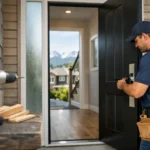
Even the best product can disappoint if it is installed poorly. Gaps around the frame, weak insulation, rushed sealing, or incorrect shimming can all lead to drafts, water issues, and early wear. This is one reason many homeowners prefer working with a company that handles manufacturing and installation rather than splitting responsibility between multiple parties.
A proper installation should account for the opening condition, insulation around the unit, exterior sealing, interior finishing, and clean fit. It should also be done with attention to local climate demands. In colder regions, details that seem small on installation day can become very noticeable once temperatures drop.
This is where factory-direct service can offer a real advantage. When the same company controls product quality, customization, and installation standards, there is less finger-pointing and more accountability. For homeowners comparing quotes, that matters.
How to Choose the Best Windows for Cold Weather for Your Home
The right window depends on where the unit is going and what problem you are trying to solve. A drafty bedroom may benefit most from a tighter-sealing casement with an upgraded glass package. A front-facing living room may need a picture window paired with operable flankers. A budget-conscious whole-home project may call for strategic upgrades in the coldest exposures first.
You should also think about orientation. North-facing and wind-exposed sides of the house usually take more winter stress than sheltered areas. Rooms where people spend the most time often justify higher-performing products because comfort is more noticeable there.
Budget matters too, and there is no benefit in pretending otherwise. The cheapest option often costs more over time if it underperforms or needs replacement sooner. At the same time, not every home needs the most expensive configuration available. A dependable consultation should help you separate smart upgrades from unnecessary add-ons.
For homeowners who want long-term value, it makes sense to ask about warranty coverage, installation standards, product customization, financing, and expected lead times along with thermal performance. Those practical details affect the overall experience just as much as the glass specs do.
What Homeowners Should Ask Before Buying
Before you commit, ask how the window is built for cold climates, what glass options are available, and how the installation team handles air sealing and insulation. Ask who manufactures the windows, who installs them, and who stands behind the finished job.
If you are comparing quotes, make sure you are comparing equivalent products. One estimate may look lower simply because it excludes a better glass package, uses a weaker frame, or leaves out finishing work. Clear pricing and direct answers usually tell you a lot about the company before installation even begins.
At Window Seal West, that is exactly why local manufacturing and full-service installation matter. Homeowners get products built for demanding weather, direct pricing from the manufacturer, and one experienced team responsible from quote to completion.
The best cold-weather window is not always the fanciest one on paper. It is the one that fits your home properly, seals tightly, performs through real winters, and gives you confidence every time the temperature drops.
Book Your Free Cold-Weather Window Assessment Today
Whether you’re dealing with a drafty room or just planning ahead of the next deep freeze, our team can recommend the right style, glass, and frame combination for your specific home. Call +1 888 818 4211 or reach out online to schedule your free, no-pressure consultation.
You can also browse real before-and-after projects from homes across Calgary, or check what other homeowners say in our reviews.
Frequently Asked Questions
Are triple-pane windows always necessary for cold climates?
Not always. A well-built double-pane window with a strong low-E coating and argon fill can perform well in many rooms. Triple-pane makes the most sense for north-facing walls, large openings, or rooms where drafts and high heating bills are already a problem.
Which window style is worst for cold weather?
Older single-pane windows perform worst by far, regardless of style. Among modern styles, sliders and hung windows typically seal less tightly than casement or awning windows, though a well-made unit with quality weatherstripping can still perform reasonably well.
Does frame material matter more than glass in cold climates?
Both matter, and neither compensates fully for a weak point in the other. A well-insulated frame with a poor glass package still lets heat escape, and excellent glass in a poorly built frame still leaks air around the edges. The full system needs to work together.
How much difference does professional installation actually make?
A significant one. Gaps around the frame, weak insulation, or rushed sealing can undermine even a premium window’s performance. Many of the drafts homeowners blame on old windows are actually installation issues from years earlier.
Can I mix window styles in the same cold-weather home?
Yes, and it’s often the smart approach. Casement or awning windows on the most exposed, draft-prone walls, paired with fixed or picture windows where ventilation matters less, balances performance with budget across the whole house.
Is it worth upgrading windows before winter, or should I wait until spring?
Both are workable, but many homeowners prefer scheduling before the coldest months to stop the draft and heat loss sooner. A qualified installer can complete most projects efficiently even in winter conditions.