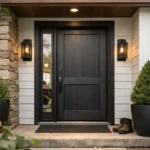
Knowing when to replace windows and doors isn’t always obvious — the signs build up slowly, until one day the draft, the noise, or the energy bill makes it impossible to ignore. Your windows and doors are the gateways to your home — natural light, fresh air, and a connection to the outdoors. Here are the clearest signs to watch for, what they mean, and what replacement typically costs.
Sign 1: Rising Energy Bills and Air Leaks
Have you noticed a spike in your energy bills lately? Drafty windows and doors let warm air escape in winter and let heat in during summer, forcing your furnace or AC to work overtime.
Quick ways to check for air leaks:
- Feel for drafts — on a windy day, hold your hand near the edges of your windows and doors. A cool breeze means air is getting through.
- Look for visible gaps in the window and door frames.
- Try the “dollar bill test” — close a dollar bill halfway in the frame of a closed window or door. If it slides out easily, there’s an air leak.
Sign 2: Drafts, Noise, and General Discomfort
Cold drafts while you’re reading on the couch, or outside noise filtering through leaky glass, both point to windows and doors that are no longer doing their job.
What better-sealed replacements typically improve:
- Temperature control — high-insulation windows and doors keep rooms consistent instead of cold near the glass and warm elsewhere.
- Noise reduction — modern glazing options noticeably cut down on outside noise.
- Indoor air quality — leaky frames can let in outdoor allergens and pollutants; a tight seal keeps them out.
Sign 3: Visible Damage
Cracked panes, warped frames, or rotting doors aren’t just eyesores — they can signal real structural and safety problems.
- Condensation between panes usually means a broken seal in a double-glazed window, which reduces insulation and can lead to mould.
- Water damage from leaking frames can spread to walls, ceilings, and flooring, leading to expensive repairs.
- Compromised security — damaged or outdated frames and locks are easier to force.
Sign 4: Windows and Doors That Are Hard to Operate
A window that won’t open on a nice day, or a door that constantly sticks and won’t lock properly, is more than an inconvenience — it’s a safety issue too. Windows that can’t be opened easily are a fire-escape hazard, and doors that don’t seal properly compromise security.
Sign 5: Age
Most windows and doors last 15 to 25 years, depending on material and maintenance. If yours are approaching that range, it’s worth starting the conversation about replacement before a small issue becomes an emergency one.
Sign 6: Your Climate Is Working Against Them
Homes in harsher climates — extreme cold, wind, or frequent storms — put more strain on windows and doors, which can shorten their effective lifespan compared to milder regions.
Sign 7: You Have Other Renovations Planned
If you’re already planning siding or insulation upgrades, replacing windows and doors at the same time often improves overall efficiency and can reduce total project costs compared to doing it separately later.
Repair or Replace? What It Typically Costs
Short answer: minor issues like hardware or weatherstripping usually cost $150 to $600 to repair, while full replacement typically runs $500 to $1,500 per window installed, with entry doors in a similar range depending on material.
- If the problem is a loose handle, a worn seal, or a minor draft, repair is often the more cost-effective fix.
- If the frame is warped, the seal has failed, or the issue keeps coming back after repairs, replacement usually delivers better long-term value.
- Try our free online cost estimator for a number specific to your home, or ask about current promotions and financing options.
The Benefits of Replacing on Your Own Timeline
Beyond fixing the immediate problem, planned replacement typically delivers:
- Energy savings through better insulation and fewer drafts
- Increased comfort with steadier indoor temperatures and less noise
- Enhanced curb appeal with modern styles and finishes — browse our window styles for options
- Improved security with sturdier frames and better locks
- Lower long-term maintenance compared to aging, deteriorating units
Look for ENERGY STAR certified products — Natural Resources Canada notes these are independently tested for real efficiency gains, not just marketed as efficient.
What to Do Next
- Research your options — materials, styles, and efficiency ratings vary more than most homeowners expect.
- Get more than one quote — compare what’s actually included, not just the bottom-line number.
- Check reviews and experience — a company that understands your local climate matters as much as the product itself.
- Avoid the cheapest option by default — quality construction and installation pay off over the life of the window or door.
Book Your Free Assessment Today
If any of these signs sound familiar, our team can help you figure out whether it’s repair or replacement — no pressure either way. Call +1 888 818 4211 or reach out online to schedule a free consultation.
You can also browse real before-and-after projects from homes across Calgary, or check what other homeowners say in our reviews.
Frequently Asked Questions
How do I know if it’s a repair or a full replacement?
If the issue is isolated — a loose handle, worn weatherstripping, or a single draft — repair is usually enough. If the frame is warped, the seal has failed, or the same problem keeps coming back, replacement is typically the better long-term value.
How long do windows and doors usually last?
Most windows last 15 to 25 years depending on material, quality, and maintenance. Exterior doors can last up to 30 years, though harsher climates tend to shorten that lifespan for both.
Does condensation between window panes always mean I need a replacement?
Condensation between panes specifically (not on the surface) usually means the seal has failed and the insulating gas between the panes has escaped. This typically can’t be repaired — the sealed unit or the whole window needs replacing.
Will new windows and doors actually lower my energy bills?
Yes, in most cases. Drafts and poor insulation force your furnace or AC to work harder, and properly sealed, ENERGY STAR certified replacements reduce that strain, which shows up as lower heating and cooling costs.
Is it worth replacing all my windows and doors at once, or should I do it gradually?
Replacing everything in one project often improves efficiency more and can qualify for better financing or promotional pricing. A gradual approach spreads out the cost but delays the full benefit — the right choice depends on your budget and how urgent the issues are.
What’s the fastest way to check if my windows are leaking air?
Hold your hand near the frame edges on a windy day to feel for drafts, look for visible gaps, or try the “dollar bill test” — close a dollar bill halfway in the frame and see how easily it pulls out. Any of these can confirm an air leak worth addressing.