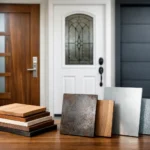
A front door has a tough job in Calgary. It has to look good from the street, hold up through sharp temperature swings, keep drafts out, and give your family a real sense of security every time it closes. That is why a smart guide to entry door materials starts with more than appearance. The right material affects comfort, maintenance, durability, and what you will spend over the life of the door.
For most homeowners, the real decision comes down to three main options: steel, fiberglass, and wood. Each has strengths. Each has trade-offs. The best choice depends on your budget, the style of your home, how much maintenance you are willing to take on, and how long you plan to stay in the property.
Guide to Entry Door Materials: What Matters Most
Before comparing materials, it helps to know what actually makes an entry door worth buying. Price matters, but it should not be the only factor. A lower-cost door that dents easily, leaks air, or needs frequent repairs can cost more in the long run.
Most homeowners are looking for the same core benefits: security, energy efficiency, weather resistance, curb appeal, and lasting value. In a climate with cold winters and hot summer sun, the material has to perform consistently. It also needs to work with the frame, glass inserts, weatherstripping, and professional installation. Even a strong door can underperform if it is not built and installed properly.
Steel Entry Doors
Steel is one of the most popular choices for homeowners who want a strong, practical, and cost-effective front door. It is often the first material people consider when security is a top concern.
A steel door typically has a steel outer skin over an insulated core. That combination gives it good strength and solid energy performance at a price point that is often more accessible than premium wood or high-end fiberglass options. For many households, that balance is exactly what makes steel appealing.
Where steel performs well
Steel entry doors are known for security and value. They resist warping, shrinking, and cracking better than wood, and they generally require less upkeep. When paired with quality weather seals and proper installation, they can help reduce drafts and improve indoor comfort.
Steel also gives homeowners flexibility in design. It can be painted in a wide range of colors and paired with decorative glass, sidelites, and modern or traditional hardware. That means choosing a practical material does not mean settling for a plain look.
The trade-offs with steel
Steel is durable, but it is not indestructible. It can dent from impact, and if the surface finish is damaged and left exposed, rust can become a concern over time. This is especially true if a door sees heavy use or repeated exposure to moisture.
Steel can also feel more utilitarian than wood if you are aiming for a high-end natural look. For many homeowners, that is not a dealbreaker. For others, appearance carries enough weight to push fiberglass or wood higher on the list.
Fiberglass Entry Doors
Fiberglass has become a leading choice for homeowners who want a strong mix of appearance, efficiency, and low maintenance. In many cases, it offers the broadest all-around performance.
A fiberglass door is built to resist many of the common issues that affect other materials. It does not rust like steel can, and it is less likely to warp or swell than wood in changing weather. That makes it especially attractive in climates where freeze-thaw cycles and seasonal shifts put exterior products under stress.
Why many homeowners choose fiberglass
Fiberglass stands out for versatility. It can be manufactured with a smooth painted finish or with textured woodgrain that closely resembles real wood. That gives homeowners the chance to get a more upscale look without taking on the maintenance demands that come with natural wood.
It is also a strong performer for energy efficiency. Many fiberglass doors have insulated cores and tight construction, helping reduce heat loss and improve comfort near the entrance of the home. If your current front door feels cold to the touch in winter or lets in drafts around the perimeter, a well-built fiberglass replacement can make a noticeable difference.
The trade-offs with fiberglass
The main drawback is usually price. Fiberglass often costs more upfront than standard steel. That said, many homeowners see the added cost as worthwhile because of the lower maintenance and longer-lasting appearance.
Not all fiberglass doors are created equal, either. Lower-quality products may not have the same finish quality, structural strength, or long-term durability as better-built models. This is one reason factory control and installation quality matter. The material itself is only part of the result.
Wood Entry Doors
Wood remains the classic choice for homeowners who want warmth, character, and traditional curb appeal. There is no question that a real wood door can make a strong visual statement.
If your home has a historic style, custom architecture, or a design where authentic natural materials matter, wood may be the right fit. It offers depth, richness, and detail that many people still consider unmatched.
Where wood has an edge
Wood is highly customizable. It can be crafted in a wide range of styles, panel designs, stains, and decorative finishes. For homeowners focused on premium appearance, that flexibility has real value.
A solid wood door also has a substantial feel that many people appreciate. It can create a strong first impression and elevate the look of the entire entryway.
The trade-offs with wood
Wood demands more care. It is more vulnerable to moisture, temperature changes, expansion, contraction, and finish wear. Without regular maintenance, it can warp, crack, or deteriorate faster than fiberglass or steel.
That does not mean wood is a poor choice. It means it is a better fit for homeowners who are willing to invest in upkeep and who place a high value on the look of real wood. If low maintenance is a priority, wood is usually not the first recommendation.
How to Choose the Right Material for Your Home
The best guide to entry door materials is not about naming one universal winner. It is about matching the door to the home and the homeowner.
If budget and security are your top priorities, steel is often a smart place to start. It delivers dependable performance and good value, especially when combined with quality locks, insulated construction, and professional installation.
If you want the best balance of durability, efficiency, and appearance with minimal upkeep, fiberglass is often the strongest overall choice. It works well for many homes because it covers so many priorities at once.
If your main goal is architectural character and a premium natural look, wood may be worth the extra care and cost. It is more of a lifestyle choice than a low-maintenance solution.
It also helps to think beyond the slab itself. Glass inserts, sidelites, stain or paint finish, threshold design, hardware, and the quality of the frame all affect long-term performance. A beautiful door with poor sealing or weak installation will not deliver the comfort or protection homeowners expect.
Why Installation Matters as Much as Material
Homeowners often spend a lot of time choosing between steel, fiberglass, and wood, then underestimate the importance of installation. That is a mistake. Even a well-made entry door can leak air, stick, or wear unevenly if it is installed incorrectly.
A proper installation starts with accurate measurements and continues with a square fit, solid fastening, insulation around the frame, and clean finishing work. This is where working with a manufacturer-installer can provide real value. When the same company controls product quality, customization, and installation, there is less guesswork and better accountability from start to finish.
That is also why many homeowners prefer to buy direct instead of piecing together a project through separate suppliers and contractors. You get clearer pricing, fewer moving parts, and a better chance of getting a door that performs the way it should.
Thinking About Long-Term Value
The cheapest door is rarely the best value. A front door should last for years, perform through harsh weather, and support both comfort and resale appeal. When homeowners compare options carefully, they often find that paying a little more upfront for the right material and proper installation saves money and frustration later.
At Window Seal West, that conversation usually comes back to practical priorities: what fits the home, what fits the budget, and what will keep performing season after season. That is the right way to shop for an entry door.
A new front door should not leave you second-guessing your decision every winter. Choose the material that fits how you live, not just how it looks on day one, and the result will feel right every time you come home.