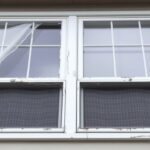
A wet windowsill on a cold Calgary morning is more than a nuisance. Left alone, it can stain trim, damage drywall, encourage mold growth, and make a well-kept home feel harder to maintain. The right window condensation solutions start with identifying where the moisture is forming, because condensation on room-side glass, between panes, and on exterior glass each point to a different cause.
Condensation happens when warm, moisture-heavy air meets a colder surface and reaches its dew point. In a Calgary winter, that cold surface is often the inside pane of a window. Some temporary moisture can occur during sharp temperature swings, but regular droplets, pooling water, or ice deserve attention. The goal is not simply to wipe the glass. It is to improve the balance between indoor humidity, airflow, window performance, and installation quality.
Start by Finding Where the Condensation Is
Before choosing a fix, inspect the location of the moisture. This simple step can prevent homeowners from spending money on the wrong solution.
Condensation on the room-side glass
Moisture on the inside surface of the glass is the most common issue. It usually means indoor air is too humid for the outdoor temperature, the window surface is too cold, or both. Cooking, showers, drying clothes indoors, humidifiers, aquariums, and everyday family activity all add moisture to the air.
Older single-pane windows, aging double-pane units, drafty frames, and poorly insulated openings make the glass colder than it should be. When that happens, even a reasonable indoor humidity level can create condensation.
Condensation between glass panes
Fog, haze, or droplets trapped between panes are different. This typically means the insulated glass unit has lost its seal. The gas-filled space between panes is no longer protected from moisture, and cleaning the interior or exterior glass will not solve it.
A failed sealed unit can reduce clarity and insulation value. Depending on the condition of the frame and sash, replacing the sealed unit may be practical. If the windows are older, drafty, difficult to operate, or showing broader wear, full replacement may offer better long-term value.
Condensation on the outside of the window
Exterior condensation is often a positive sign. It can appear when highly efficient glass keeps indoor heat from warming the outer pane, while cool outdoor air reaches its dew point. It generally disappears as the day warms.
Unless exterior moisture is connected to a visible leak or unusual staining, it is not normally a reason to replace the window.
Reduce Indoor Moisture Before Blaming the Windows
Every home needs a workable humidity level, especially during heating season. Air that is too dry can be uncomfortable, but air that is too humid will find the coldest surfaces in the house. Windows often reveal the problem first.
A basic hygrometer can help homeowners monitor indoor relative humidity. In very cold weather, many Calgary homes need lower humidity than homeowners expect. A level that feels comfortable during mild weather may cause condensation when temperatures fall well below freezing. The ideal setting depends on the outdoor temperature, the home’s ventilation, and the performance of its windows.
Start with practical changes. Run bathroom fans during showers and for a while afterward. Use the kitchen range hood when boiling water or cooking. Make sure exterior vent flaps open properly and that dryer vents discharge outside. If you use a portable humidifier, reduce the setting or pause use during severe cold snaps. A dehumidifier can help in basements or rooms with persistent moisture.
Air circulation also matters. Keep furniture from pressing tightly against windows, open blinds or curtains periodically, and avoid blocking heat registers. Heavy window coverings can trap warm, humid air against cold glass, especially overnight. You do not need to leave every blind fully open, but allowing air to move around the window can reduce morning moisture.
When Window Condensation Solutions Need Better Windows
Humidity control helps, but it cannot fully compensate for windows that have reached the end of their service life. If condensation continues despite reasonable ventilation and humidity adjustments, the windows themselves may be the weak point.
Replacement windows can raise the interior glass temperature, making condensation less likely under the same indoor conditions. Features that support better cold-weather performance include insulated glass units, low-emissivity coatings, warm-edge spacer systems, properly designed frames, and careful air sealing around the opening. The exact combination should suit the home, its orientation, and Calgary’s demanding winter conditions.
Casement and awning windows are often strong choices where homeowners want a tight compression seal when the window is closed. Fixed picture windows can also provide excellent performance because they have no operable sash. Sliding or hung windows can be practical where space or ventilation needs call for them, but quality construction and professional installation matter greatly for every style.
There is a trade-off worth understanding: no residential window can eliminate interior condensation if a home has excessive moisture and extremely cold outdoor temperatures. A high-performance window gives you more protection and more comfort, but it is not a substitute for proper ventilation. The best result comes from treating the house as a complete system.
Do Not Overlook Installation and Air Leaks
A new window is only as effective as the installation around it. Gaps, poor insulation, missing air sealing, or uneven flashing can allow cold air to reach the frame and surrounding wall. You may notice cold drafts, frosty corners, peeling paint, or condensation concentrated around one side of the opening.
These signs do not always mean the entire window must be replaced. In some cases, a targeted repair or sealed unit replacement can make sense. But when several windows show drafts, failed seals, frame deterioration, or operational problems, piecemeal repairs can become a short-term expense that delays the larger solution.
A professional assessment should look beyond the glass. The frame condition, sill, trim, wall opening, drainage path, and interior moisture conditions all affect performance. This is particularly important in older Calgary homes, where original windows may have limited insulation value and prior renovations may have concealed air-sealing issues.
Know When to Repair and When to Replace
A repair may be the right choice when the frame is sound, the problem is limited to one failed sealed unit, and the window still opens, locks, and seals properly. It can be a cost-conscious option for a newer window with localized damage.
Replacement is often the stronger investment when you see recurring interior condensation, multiple failed panes, persistent drafts, warped or damaged frames, water-stained trim, or increasing heating costs. Homeowners who are already planning exterior updates, renovations, or a move within several years may also benefit from improving comfort, curb appeal, and buyer confidence at the same time.
Custom manufacturing makes a difference here. A properly sized replacement window can match the opening, design preference, and performance needs of the home rather than forcing a one-size-fits-all product into place. Window Seal West manufactures and installs Canadian-made windows locally, giving Calgary homeowners a direct path from consultation and measurement to installation and final cleanup. Factory-direct pricing can also help homeowners put more of their budget toward the window performance and professional installation that protect the home over time.
A Practical Plan for Persistent Condensation
If condensation is appearing regularly, start by documenting it for a week. Note the outdoor temperature, where moisture forms, whether it is inside the glass or between panes, and which rooms are affected. Then adjust humidifier use, run exhaust fans consistently, and improve airflow around the windows.
If moisture still returns, arrange a professional window evaluation. Ask whether the sealed units are intact, whether air leakage is present, and whether the installation area shows signs of heat loss or water damage. A clear answer should separate what can be repaired from what should be replaced, along with the expected value of each option.
Your windows should help your home feel warm, dry, and secure through a Calgary winter – not create another maintenance problem to manage. Acting before condensation damages finishes gives you more choices and a better chance to invest in the solution that will last.