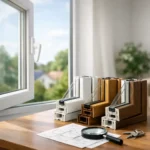
That cold spot by the sofa is usually not your imagination. If one room feels harder to heat, curtains move when the window is shut, or your energy bills climb every winter, it is time to fix drafty house windows before the problem gets more expensive.
A draft is not just a comfort issue. It can signal worn weatherstripping, failed seals, loose hardware, shrinking caulk, or an aging window frame that no longer closes tightly. Some of these issues are inexpensive to correct. Others are signs that repairs are only buying time. The key is knowing which is which.
Why drafty windows happen in the first place
Most drafts come from air finding the path of least resistance around the sash, frame, glass, or trim. In older homes, materials naturally expand and contract over time. Caulk dries out. Weatherstripping compresses and stops sealing properly. Locks and operators loosen, which means the sash does not pull tight against the frame.
In colder climates, the problem can become more noticeable because temperature swings put more stress on seals and moving parts. If the window was poorly installed in the first place, outside air may also be slipping through gaps around the rough opening, not just through the window unit itself. That distinction matters because a cosmetic fix on the inside will not solve an installation issue hidden behind trim.
Glass can also be part of the problem. If you have older single-pane windows, or insulated glass units with failed seals, the room may feel drafty even when outside air is not directly leaking in. In that case, what you are feeling is poor thermal performance as much as air infiltration.
How to fix drafty house windows without guessing
The best first step is a simple inspection. On a windy day, move your hand slowly around the edges of the frame, where the sash meets the frame, and around the lock area. If you want a clearer test, hold a thin strip of tissue near those spots and look for movement. You can also check for visible daylight around the sash or frame.
Open and close the window slowly. If it sticks, shifts, or fails to latch cleanly, worn hardware or frame movement may be preventing a tight seal. Look at the caulk outside. If it is cracked, missing, or pulling away from the siding or trim, air and moisture may be getting in. Inside, check for peeling paint, stained trim, or condensation between panes. Those clues often point to a larger performance problem.
Start with the simplest repair points
If the frame is sound and the window is relatively modern, weatherstripping is often the first thing to check. When it wears down, the window can close but still leak air. Replacing weatherstripping is usually worthwhile when the sash and frame are still square and the locking system works properly.
Caulk is another common fix. Exterior caulk around the frame helps block air and water at the perimeter. Interior caulk can help at trim joints, but it should not be used to hide a bigger problem. If there is movement, rot, or a gap caused by installation failure, fresh caulk may improve things briefly without solving the source.
Hardware adjustments can also make a real difference. On casement and awning windows, the lock is what pulls the sash tight to the weatherstripping. If the hardware is worn or misaligned, the seal will be weak. On sliding or hung windows, balance issues, track wear, or latch problems can leave small but noticeable gaps.
Temporary fixes have their place, but only for a while
There are situations where a short-term solution makes sense. A clear seasonal film kit can reduce drafts for one winter. Rope caulk or temporary seal products can help if you need a quick fix before a planned renovation. These options are practical when budgets are tight or when replacement is already scheduled.
Still, temporary products come with trade-offs. They can affect appearance, make windows harder to operate, and do nothing to improve long-term durability. If you are applying the same seasonal fix year after year, that usually means the real issue has outgrown the patch.
When repair is enough and when replacement makes more sense
This is where homeowners can save money or waste it. If the problem is isolated to worn seals, minor caulk failure, or adjustable hardware, repair is often the right move. A relatively new window with a good frame can usually justify that investment.
Replacement becomes the better value when the window is old, inefficient, damaged, or showing multiple failure points at once. If you are dealing with drafts, fog between panes, rot, difficult operation, and rising heating costs, you are no longer talking about a simple tune-up. You are paying for a window that is underperforming in several ways at once.
Age matters too. A 20-year-old unit may technically be repairable, but the question is whether it is worth putting more money into a product that is already behind modern efficiency standards. Homeowners often focus on the repair bill alone, but the better comparison is repair cost versus expected performance and remaining lifespan.
Signs your drafty window is really an installation issue
Not every draft means the window itself is defective. Sometimes the air leak is around the unit rather than through it. If you feel air at the interior casing, notice gaps that change with the season, or see signs of movement around the trim, the problem may be in the original install.
This matters because proper replacement is more than swapping glass and frame. A professional installation should address insulation around the opening, correct shimming, proper fastening, and a clean exterior seal. If those steps are rushed or skipped, even a good window can perform poorly.
That is why many homeowners get frustrated after trying repeated repairs. The draft returns because the actual weak point was never corrected. A thorough assessment saves time, money, and a lot of trial and error.
The energy-efficiency side of the decision
Drafts are easy to notice in winter, but the cost shows up year-round. Air leakage and poor glass performance force your HVAC system to work harder in both heating and cooling seasons. Rooms become harder to regulate, which often leads to thermostat battles and higher utility bills.
Modern replacement windows are built to manage this better. Better frame design, tighter seals, and energy-efficient glass packages reduce heat loss and improve comfort near the window itself. That means less of that cold-wall effect in winter and less solar gain in summer, depending on the glass package you choose.
For homeowners comparing quotes, this is where manufacturer-direct value matters. A lower sticker price is not enough if the product is not built for your climate or the installation is inconsistent. A well-made, properly installed window should improve comfort, efficiency, and peace of mind for years, not just pass the first winter.
Fix drafty house windows with the right long-term plan
If your windows are only slightly drafty and otherwise in good condition, a targeted repair may be all you need. If the drafts are widespread, the windows are aging, or multiple rooms are affected, replacement often becomes the more cost-effective decision.
A professional assessment should tell you more than whether air is getting through. It should explain why, show you where the weakness is, and give you a practical recommendation based on condition, age, and expected return. That is the difference between a real solution and another short-term patch.
For Calgary-area homeowners, this is especially important because windows are not being asked to perform in mild conditions. They need to seal tightly, operate reliably, and hold up through major seasonal swings. Window Seal West approaches that from both sides – manufacturing control and professional installation – so homeowners can get a product built for local conditions without paying retail markups.
If you are tired of cold rooms, noisy drafts, and winter energy bills that keep creeping up, do not wait for the next cold snap to confirm what you already know. The right repair can solve the issue quickly. The right replacement can solve it for good. Either way, a comfortable home starts with windows that actually seal the way they should.