A cold patio door is rarely just a cold patio door. It can mean a persistent draft near the dining room, rising heating bills, condensation on the glass, and a space that never feels comfortable in January. This patio door insulation review explains what actually affects performance, what homeowners should compare, and when replacement is a better investment than another temporary fix.
For Calgary homes, insulation is not a cosmetic feature. A patio door must manage major temperature swings, wind exposure, sun, and daily use without becoming a weak point in the exterior wall. The best choice is usually the one that combines efficient glass, a properly insulated frame, reliable weather seals, and professional installation.
What a Patio Door Insulation Review Should Measure
It is easy to compare patio doors by appearance or price alone. Those details matter, but they do not tell you how the door will perform through several winters. A meaningful comparison starts with the whole door system, not one advertised feature.
Look at the glass package, frame construction, spacer system, weatherstripping, threshold, locking hardware, and installation method. A high-performing glass unit cannot make up for a poorly sealed sliding panel. Likewise, a well-built door can lose much of its value if the rough opening is not insulated, flashed, and sealed correctly during installation.
For most homeowners, comfort is the most immediate test. Stand beside the closed door on a cold, windy day. If you feel moving air, notice cold spots around the frame, or see water forming between panes, the system needs attention. An energy-efficient patio door should reduce those symptoms while still opening, closing, and locking smoothly.
Glass Makes the Largest Difference
Patio doors have a large glass area, so the glazing package has a major influence on heat loss and solar gain. Older doors often use basic double-pane glass, and some may have worn-out sealed units that have lost their insulating gas. Newer options can provide a noticeable upgrade in winter comfort.
Double Pane vs. Triple Pane Glass
A quality double-pane insulated glass unit is a practical choice for many homes, especially when paired with low-emissivity glass coatings and argon gas between panes. It offers better insulation than older clear glass and can improve comfort at a reasonable price point.
Triple-pane glass adds another layer of protection. It is often worth considering for large patio doors, exposed walls, or rooms that feel consistently cold. The trade-off is a higher initial cost and additional weight, which makes quality rollers, hardware, and installation even more important. Triple pane is not automatically necessary for every home, but it can be a smart long-term choice in Calgary’s demanding climate.
Low-E coatings deserve attention as well. These nearly invisible coatings help reflect interior heat back into the home during winter while managing excessive solar heat at certain times of year. The right coating depends on the orientation of the door. A sunny south- or west-facing patio door may need a different balance of solar control than a shaded north-facing opening.
Watch for Failed Sealed Units
Fogging or moisture between glass panes is a sign that the sealed unit has failed. It is not simply surface condensation that can be wiped away. When the seal fails, the insulating gas escapes and moisture enters the space between panes. Replacing the sealed unit may be possible if the frame, sash, and hardware are still in good condition.
However, a new glass unit will not solve warped panels, deteriorated weatherstripping, or a poorly insulated frame. An honest assessment should separate a repairable glass problem from a patio door that has reached the end of its useful life.
Frames, Tracks, and Seals Matter as Much as Glass
Sliding patio doors are often judged by their glass, but their perimeter is where many drafts begin. The meeting point between sliding panels, the frame-to-wall connection, and the bottom track all need to resist air leakage.
Vinyl frames are popular because they do not rot, require minimal maintenance, and can offer strong thermal performance when designed with insulated chambers. Well-made vinyl also handles normal moisture exposure better than many aging wood systems. The quality of the frame design matters more than the material label alone. Thin, low-grade frames and weak corner construction can compromise durability and insulation.
Weatherstripping should make consistent contact when the door is closed. Worn pile seals, flattened gaskets, and misaligned panels create gaps that cold air can exploit. Good weatherstripping should not make the door difficult to operate. If closing the door requires force, the panel may be out of adjustment or the rollers may be failing.
The threshold is another overlooked area. It must support easy operation while blocking air and water at floor level. A properly designed sill, drainage path, and exterior flashing protect the home from more than discomfort. They help prevent moisture damage around the opening.
Installation Is the Performance Test
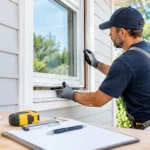
A patio door can leave the factory with excellent energy ratings and still perform poorly after a rushed installation. The opening must be measured accurately, the frame must be level and square, and the perimeter must be insulated and sealed without preventing proper drainage.
This is why comparing installation practices is just as important as comparing quotes. Ask what happens to the old door, how the rough opening will be inspected, how gaps will be insulated, and how exterior trim and flashing will be finished. Clean work areas and careful interior protection are not minor conveniences. They are signs of a team that treats the installation as a complete home improvement project.
At Window Seal West, patio doors are manufactured and installed as a coordinated solution, giving homeowners a clearer path from product selection to finished performance. Factory-direct production also allows more control over sizing, glass options, and design details than a one-size-fits-all approach.
Repair, Add-On Insulation, or Replacement?
Not every draft calls for a full replacement. A door that is structurally sound may benefit from roller adjustment, replacement weatherstripping, a new sweep, or a sealed-unit replacement. These repairs can be worthwhile when the frame is square, the lock engages securely, and the door still operates smoothly.
Temporary add-ons have a place, particularly when a replacement project must wait. Interior insulating film, cellular shades, and properly fitted curtains can reduce the sensation of cold glass. They do not correct a failed seal, a damaged frame, or air leakage around the opening. Treat them as short-term comfort measures, not permanent insulation upgrades.
Replacement becomes the better value when multiple problems appear together: condensation between panes, visible drafts, difficult sliding, damaged tracks, water infiltration, cracked frames, or outdated single-pane glass. A new patio door can improve comfort, security, appearance, and energy performance in one project. The key is selecting a product suited to the opening rather than buying the lowest advertised price.
How to Compare Quotes Without Missing the Details
A lower quote can be attractive, but homeowners should confirm what is included before deciding. Compare the glass configuration, number of panels, frame material, hardware, screen, lock system, removal of the existing door, trim work, insulation, disposal, and warranty coverage. If one proposal is vague about these items, it may not be a true apples-to-apples comparison.
Ask whether the door is made for local climate conditions and whether the size will be custom manufactured for the opening. An ill-fitting stock door can require excessive fillers or trim, which may affect both appearance and long-term sealing. Also ask about lead times, financing options, and who will handle service if an adjustment is needed later.
The most economical patio door is not necessarily the least expensive on installation day. It is the door that helps reduce heat loss, avoids recurring repairs, operates reliably, and protects the opening for years to come.
A Better Patio Door Starts With the Right Assessment
If your patio door feels cold, sticks on its track, or shows condensation between the panes, start with an in-home assessment rather than guessing at a fix. A knowledgeable professional can identify whether the issue is glass, seals, adjustment, installation, or the door system itself. That clarity makes it easier to invest with confidence and choose a comfortable, secure door that belongs in your home for the long haul.