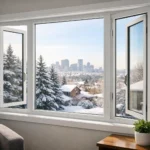
A warm room should not depend on turning the thermostat higher every time the temperature drops. In Calgary homes, cold windows, attic heat loss, and small air leaks can make certain rooms uncomfortable while quietly increasing utility bills. Knowing how to improve home insulation starts with finding where your home is losing heat, then choosing upgrades that provide lasting value rather than temporary fixes.
The best approach is rarely one product or one repair. Insulation, air sealing, windows, doors, and ventilation all work together. A home can have thick attic insulation and still feel drafty if aging windows or poorly sealed exterior doors allow cold air inside.
How to Improve Home Insulation: Start With Heat Loss
Before adding material to walls or replacing a window, look for the symptoms. Drafts around window frames, cold floors above an unheated space, ice dams at the roof edge, and rooms that never hold their temperature are all useful clues. So are high heating bills that do not match your household’s normal energy use.
A professional home assessment can identify the largest sources of heat loss. For homeowners, a careful walkthrough on a cold or windy day is also revealing. Run your hand near window and door frames, electrical outlets on exterior walls, baseboards, attic hatches, and plumbing penetrations. A noticeable stream of cold air points to an air-sealing problem, even if the insulation behind the wall is adequate.
Do not overlook moisture signs. Condensation on interior glass, peeling paint near windows, or damp attic insulation may indicate air leakage, inadequate ventilation, or both. Adding insulation without addressing moisture movement can create problems inside walls or attics, so the order of work matters.
Seal Air Leaks Before Adding More Insulation
Insulation slows heat transfer, but it does not stop moving air. If outdoor air is entering through gaps, it can bypass much of the insulation’s benefit. Air sealing is often one of the most cost-effective first steps because it targets the small openings that create drafts.
Common areas include gaps around pipes and vents, wiring holes, recessed lights, attic hatches, exterior wall outlets, and the joint where the foundation meets the framing. Weatherstripping can improve the seal around operable doors and windows, while appropriate caulking can close smaller stationary gaps. Materials should be selected for the surface and location. A quick bead of the wrong caulk may crack, fail to adhere, or trap moisture where it should not.
Be selective about sealing. Homes still need controlled ventilation to maintain healthy indoor air. Bathroom and kitchen exhaust fans, for example, should vent outdoors and operate properly. The goal is not to make a house stuffy. It is to stop uncontrolled drafts while allowing ventilation systems to do their job.
Prioritize the Attic and Roofline
Heat rises, which makes the attic one of the most important places to inspect. In many older homes, attic insulation has settled, been disturbed by trades, or never met the level needed for local winter conditions. Improving coverage here can make the upper floor more comfortable and reduce the strain on the heating system.
Before installing more attic insulation, air seal the ceiling plane below it. This includes openings around light fixtures, plumbing stacks, ducts, and the attic access hatch. Then confirm that soffit and roof ventilation remain clear. Blocking ventilation with insulation can contribute to moisture buildup and reduce roof performance.
The right insulation type depends on access, existing materials, and the condition of the attic. Blown insulation can provide even coverage around framing and obstacles. Batt insulation can be effective when it is installed without gaps or compression. Spray foam offers strong air-sealing performance in specific applications, but it costs more and requires expert installation. A qualified contractor can help determine whether adding insulation is enough or whether damaged material, air leaks, or ventilation issues should be corrected first.
Improve Windows and Exterior Doors Where It Counts
Windows and doors are not just openings in the wall. They are complete systems made up of glass, frames, weatherstripping, hardware, flashing, and installation details. A high-performing replacement window will not deliver its full benefit if the opening is poorly prepared or the perimeter is not sealed correctly.
If windows are relatively new and in good condition, minor adjustments may help. Replace worn weatherstripping, make sure locks pull the sash tightly into the frame, and repair damaged exterior caulking where appropriate. Interior window coverings can add comfort at night, but they should not be treated as a substitute for a failed seal or a drafty frame.
Replacement is worth considering when windows have persistent condensation between panes, visible frame damage, difficult operation, failed seals, or cold drafts that repairs cannot solve. For Calgary’s demanding swings in temperature, look beyond the glass alone. Multiple panes, low-emissivity coatings, insulated frame construction, quality spacers, and properly fitted weatherstripping all contribute to performance.
The same standard applies to exterior doors. An entry door that does not close squarely, has daylight around the frame, or feels cold near the threshold can waste energy and compromise security. A properly sized steel or fiberglass door with a durable weather seal can improve comfort at the entryway while also strengthening curb appeal.
Window Seal West manufactures and installs Canadian-made windows and doors designed for local conditions. Factory-direct service gives homeowners a clearer path from product selection and customization to professional installation, without separating performance from accountability.
Insulate Walls, Floors, and Basement Areas Strategically
Wall insulation can be more complicated than attic work because the cavity is hidden behind drywall or exterior cladding. If you are planning a major renovation, it is an excellent time to inspect and upgrade wall insulation. For homes without an upcoming remodel, dense-pack or injection methods may be possible in certain wall assemblies, but the right choice depends on the wall construction and moisture conditions.
Basements and crawl spaces deserve equal attention. Cold basement walls and rim joists can make the entire first floor feel chilly. Insulating and air sealing the rim joist is often a high-value improvement because it is a frequent source of air leakage. Finished basements may need an approach that manages moisture against foundation walls before insulation is added.
Floors above garages, crawl spaces, and unheated storage areas are another common comfort problem. If a bedroom over the garage is always colder than the rest of the home, the issue may be missing insulation, gaps around ductwork, or air movement through the garage ceiling. Simply adding a space heater treats the symptom, not the source.
Avoid Upgrades That Create New Problems
More insulation is not automatically better when it is installed in the wrong place. Compressing batt insulation reduces its effectiveness. Covering attic ventilation can lead to moisture concerns. Sealing a combustion appliance area without understanding its venting requirements can create a safety risk.
It also pays to be realistic about return on investment. An attic upgrade and air sealing may offer a faster payoff than opening every wall in the house. Replacing windows can be a larger investment, but it may be the right decision when existing units are failing, inefficient, difficult to operate, or undermining the home’s appearance and security. The strongest plan focuses first on the biggest sources of heat loss and combines upgrades when the timing makes sense.
Build an Insulation Plan That Fits Your Home
A practical plan begins with evidence, not assumptions. Document drafty rooms, condensation, uneven temperatures, and visible wear around windows, doors, and attic areas. Then prioritize air sealing, attic performance, and any window or door failures that are affecting daily comfort.
For larger projects, ask clear questions about the materials, the installation method, moisture management, cleanup, warranty coverage, and expected performance. The workmanship matters as much as the product. A clean, precise installation protects the investment and helps your home perform as designed.
A better-insulated home feels quieter, steadier, and more comfortable through every season. Start with the area causing the most frustration, then make improvements that will still serve your household long after the next cold snap passes.