Sticker shock usually hits when homeowners price windows one at a time. A bedroom window sounds manageable. Then you add the living room, the kitchen, labor, trim work, and a patio door, and suddenly the project looks much bigger than expected. If you are figuring out how to budget for windows, the key is to stop thinking in isolated unit prices and start looking at the full scope of the job.
That shift matters because windows are not a simple retail purchase. You are paying for product type, glass package, sizing, manufacturing, installation method, and the condition of the openings in your home. A realistic budget gives you a better chance of choosing the right solution the first time, instead of cutting corners now and paying for it later in drafts, repairs, or premature replacement.
How to budget for windows with the full project in mind
The most common budgeting mistake is assuming all windows cost roughly the same. They do not. A fixed window is priced differently than a casement, slider, bay, or custom shape. Larger openings, specialty configurations, and upgraded glass can change the total quickly.
Start with a room-by-room count and note the style of each window. Include any doors that are part of the same project, because many homeowners replace them together for better efficiency, appearance, and scheduling. From there, separate your wish list into three groups: must replace now, should replace soon, and can wait.
This approach does two things. First, it helps you understand whether you need a full-home budget or a phased budget. Second, it gives you a cleaner way to compare quotes. A lower number is not always a better number if it leaves out installation details, trim, disposal, or upgraded performance features that matter in your climate.
The main cost factors behind window pricing
Window budgets are shaped by a handful of major variables. Once you know them, quotes make more sense.
Window style and operation
Operable windows usually cost more than fixed units because the hardware, frame design, and sealing systems are more complex. Casement and awning windows often appeal to homeowners who want a tighter seal and easier ventilation control. Sliding and hung windows can be practical in certain spaces, but their pricing and performance profile may differ.
If your budget is tight, this is one of the best places to make smart trade-offs. You may not need every window to open. In some rooms, using a fixed picture window beside one operable unit can control cost without sacrificing light or airflow.
Size and customization
Standard sizes are usually easier to budget for than oversized or custom-shaped units. But many homes, especially older ones, do not fit neatly into standard dimensions. That does not mean the project is out of reach. It means your budget should leave room for custom manufacturing if you want the windows to fit properly, seal correctly, and look right from the street.
A factory-direct manufacturer has an advantage here because pricing and production are controlled more closely than in a long distribution chain. That can make customization more manageable than homeowners expect.
Glass and energy performance
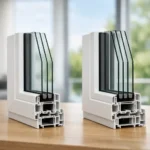
Not all glass packages are equal. Double-pane units may be suitable for many homes, while triple-pane or upgraded low-E coatings may be worth considering if comfort and energy efficiency are top priorities. In colder climates, better-performing glass can help reduce heat loss, improve indoor comfort near the window, and cut down on condensation issues.
This is where cheapest can become expensive. A low upfront price may mean weaker thermal performance, shorter lifespan, or a less comfortable home in winter. Good budgeting is not about buying the lowest quote. It is about paying for the performance level your house actually needs.
Installation complexity
Installation is not a side charge. It is a major part of the result.
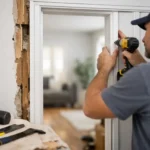
If the existing openings are square and in good condition, labor may be straightforward. If there is water damage, rotten framing, trim repair, stucco work, or structural adjustment involved, costs can rise. Homes with difficult access, upper-story work, or large feature windows may also require more time and labor.
This is one reason homeowners should be careful with quote comparisons. One company may be pricing a basic insert approach, while another includes more complete removal, insulation, finishing, and cleanup. Those are not equal scopes, even if both are called window replacement.
How to set a realistic window budget
A practical budget starts with your real ceiling, not your ideal number. Decide what you are comfortable investing, then build in a cushion for unknowns. Older homes often reveal surprises once work begins, and it is better to be prepared than forced into rushed decisions.
For many households, the best path is to think in ranges. You might set a baseline budget for essential replacements, then a preferred budget that includes upgraded glass, better hardware, or matching doors. That gives you room to make choices without losing control of the total.
It also helps to decide what matters most to you. Some homeowners care most about lowering energy bills. Others want better curb appeal, easier operation, stronger security, or less outside noise. Your priorities should shape where the money goes. There is no value in paying for premium features you do not care about, but there is also no benefit in stripping out features that matter to your daily comfort.
Should you replace all windows at once?
Sometimes yes, sometimes no.
A full-home replacement can be more efficient from a planning and installation standpoint. It may also create a more consistent look and performance level across the house. If many windows are failing at the same time, replacing them together can prevent repeated labor visits and uneven results.
But phased replacement can make sense when budget is the deciding factor. If you go that route, start with the windows causing the biggest problems. Drafty bedrooms, damaged basement units, or large front-facing windows with failing seals are often the best first targets. Just make sure the plan is intentional. Randomly replacing a few windows now and a few more later can lead to mismatched styles, finishes, and performance.
A good consultant should help you prioritize based on condition, exposure, and return on investment, not just push the biggest possible sale.
Financing, savings, and the real value equation
When homeowners ask how to budget for windows, they are often really asking how to make a good project affordable without making a bad decision.
That is where financing can be useful. A monthly payment may be more manageable than delaying replacement for years while energy loss, discomfort, and maintenance issues continue. Promotions can help too, but they should never distract from the fundamentals: product quality, installation standards, warranty coverage, and total project scope.
Savings matter, but the source of those savings matters more. Factory-direct pricing is valuable because it can reduce markup while keeping quality control and customization in the same hands. That is different from a quote that is cheap simply because corners are being cut.
For Calgary-area homeowners, Window Seal West positions this clearly by combining local manufacturing, direct pricing, and full-service installation. That kind of control can make budgeting easier because you are not trying to coordinate separate suppliers, installers, and timelines on your own.
What to ask before you approve the quote
Before you commit, make sure the proposal answers the questions that affect your budget after the contract is signed. Ask what is included in removal, disposal, insulation, interior and exterior finishing, and cleanup. Ask whether the windows are custom-made for your openings. Ask about warranty coverage on both product and installation.
You should also ask who is responsible if hidden damage is found. No honest company can promise there will never be extras, but a professional one should explain how those situations are handled. Clear expectations are part of a well-built budget.
Finally, look at timing. If your project is seasonal or tied to other renovations, lead times matter. Delays can affect not only your schedule but your costs, especially if other trades are involved.
The smartest window budget is the one that lasts
A window project is not only about what you can afford this month. It is about what your home will need over the next 15 to 25 years. Good windows that are made for your climate and installed properly tend to cost less over time than lower-priced products that underperform or fail early.
So if you are working out how to budget for windows, build your plan around the full picture: product type, installation quality, energy performance, customization, and long-term value. A careful budget should give you confidence, not just a number on paper. The right quote will show you where your money is going and why it is worth it.