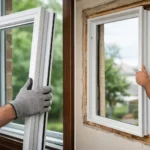
If traffic wakes you up before your alarm, the problem may not be your street – it may be your windows. The best windows for noise reduction can make a noticeable difference in how your home feels day and night, especially if you live near busy roads, schools, commercial areas, or active neighbors. For many homeowners, a quieter house is not a luxury. It is part of comfort, better sleep, and getting real value from a window replacement.
What actually makes a window good at blocking noise?
Noise reduction is not about one feature alone. Homeowners often assume thicker glass automatically solves the problem, but that is only part of the picture. Sound enters through glass, through the frame, and through any small gaps left around the unit. That means the best result usually comes from the right window design, the right glass package, and professional installation that leaves no weak points.
Sound also behaves differently depending on the source. Low-frequency noise from trucks and buses is harder to block than higher-pitched sounds like voices or barking dogs. That is why two windows with similar energy performance can still perform very differently when it comes to noise control.
Best windows for noise reduction: the features that matter most
When comparing products, it helps to focus on the parts of the window system that directly affect sound transfer.
Multi-pane glass helps, but glass makeup matters more
Double-pane windows are better than old single-pane units, but not all double-pane windows reduce sound equally. A standard dual-pane setup may improve comfort, yet it may not be enough for homes facing heavy traffic or other persistent outside noise.
What often performs better is insulated glass with dissimilar pane thicknesses. When the two panes are different thicknesses, they disrupt sound waves more effectively than two panes that match. In many cases, laminated glass also delivers a strong improvement because it includes an interlayer that helps dampen vibration and reduce sound transmission.
Triple-pane windows can also help, but they are not automatically the quietest option in every case. If all three panes are configured without attention to acoustic performance, the upgrade may deliver less sound reduction than homeowners expect. This is where expert guidance matters. The right glass package should be chosen for your specific noise issue, not just selected because it sounds more advanced.
Air space between panes plays a role
The space between panes affects how sound moves through the window. A wider air gap can improve acoustic performance, although the ideal setup depends on the full unit design. Bigger is not always better if the rest of the glass package is not matched properly.
This is one reason custom manufacturing matters. A made-to-order window gives more flexibility to build for your home’s real conditions instead of relying on a one-size-fits-all product.
Frame quality and sash design are easy to overlook
A well-built frame matters because weak or poorly sealed frames let sound leak in around the glass. Vinyl frames with solid construction and tight weatherstripping generally perform well for residential noise control. The operating style matters too, because some window types seal more tightly than others.
Casement and awning windows usually offer a tighter seal than sliding or single-hung styles because they close by pressing firmly against the frame. That compression seal can reduce air leakage, and less air leakage often means less sound leakage. Fixed and picture windows also tend to perform well because they do not have moving parts that create extra gaps.
Sliding windows can still be a practical option, especially where budget or layout matters, but they are often not the first choice when maximum noise reduction is the top goal. That does not mean they are poor windows. It means there is a trade-off between convenience, design preference, and acoustic performance.
Which window styles are the best windows for noise reduction?
For most homes, fixed, casement, and awning windows are among the best windows for noise reduction. Fixed windows are sealed shut, so they have fewer opportunities for sound to enter. Casement and awning windows close tightly and typically provide better compression seals than many other operating styles.
Picture windows can work especially well on the noisiest sides of a home, such as front-facing walls near a road. In bedrooms, a combination of fixed and operable windows can strike a smart balance between quiet and ventilation. You do not always need every window in the house to be built for maximum sound control. In many cases, targeting the loudest elevations gives you the biggest improvement for the investment.
If you are replacing windows in a family room, nursery, home office, or primary bedroom, those spaces are often the best place to prioritize acoustic upgrades. This targeted approach can help control cost while still delivering a noticeable difference where you need it most.
Why installation matters as much as the window itself
Even high-performing windows can disappoint if they are installed poorly. Small gaps around the frame, uneven shimming, weak insulation, or rushed finishing work can all reduce noise performance. Homeowners comparing quotes often focus on product specs, but installation quality has a direct impact on how quiet the finished result will be.
A professional installation should include accurate measurements, proper fit, careful sealing, and clean finishing. It should also account for the condition of the existing opening. If the surrounding wall area has air leaks or deterioration, that needs attention too. Sound does not care whether it enters through the glass or the edges around it.
This is where working with a manufacturer-installer has a real advantage. When the same company controls production and installation, there is better consistency from quote to final fit. That means fewer surprises, better accountability, and a stronger result for long-term performance.
Noise reduction ratings: what homeowners should ask about
If noise control is a priority, ask about acoustic performance data, not just energy efficiency. Many homeowners are familiar with energy ratings, but fewer know to ask how a window performs against outside sound.
You may hear terms like STC, which stands for Sound Transmission Class. In simple terms, a higher STC rating generally means better sound reduction. While the number is helpful, it should not be treated in isolation. Real-world performance depends on the entire assembly, including frame construction, glass configuration, and installation.
The most useful conversation is not, “What is your highest rating?” It is, “What do you recommend for my house based on the type of noise I deal with every day?” That is the kind of practical guidance that leads to a better result.
Common mistakes when shopping for quieter windows
One common mistake is choosing purely by pane count. Triple-pane may be worth it, but it is not a guaranteed fix by itself. Another is replacing only the glass while keeping an aging frame that still leaks air and sound.
Some homeowners also expect new windows to solve every source of outside noise. Windows can make a meaningful improvement, but walls, doors, attic insulation, and even old vents may still contribute to sound transfer. A trustworthy quote should set realistic expectations. The goal is a noticeably quieter home, not a soundproof recording studio.
Price shopping without looking at manufacturing quality and installation standards is another costly shortcut. A lower upfront quote can lose its value quickly if the seal is weak, the fit is inconsistent, or the product is not built for your climate.
What to choose if you live in a noisy area
If your home is exposed to regular traffic, neighborhood activity, or urban noise, the best starting point is usually a tightly sealed window style with an upgraded glass package. In many cases, that means casement, awning, or fixed windows paired with insulated glass designed specifically for better acoustic control.
Locally made custom windows are especially valuable when your home needs a more tailored solution. Older homes, wide openings, and mixed room layouts often benefit from a product built to fit the opening properly rather than adapted on site. At Window Seal West, that factory-direct approach gives homeowners more control over product quality, customization, and value while keeping the process straightforward from consultation through installation.
A quieter home is not only about comfort. It can improve sleep, make remote work easier, and help your living spaces feel more private and secure. If outside noise has become part of your daily routine, it may be time to stop adjusting to it and start choosing windows built to shut more of it out.