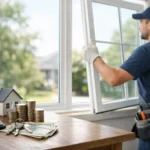
A window usually does not fail all at once. It starts with a cold draft near the sofa, a room that never feels comfortable, or glass that always looks foggy no matter how often you clean it. If you are wondering about the top signs windows need replacement, the real question is not just what you see – it is what those problems are costing you in comfort, energy use, and future repairs.
For Calgary homeowners, window performance matters more than it does in milder climates. Long winters, temperature swings, strong sun, and wind put real pressure on aging frames, sealed glass units, and hardware. Some issues can be repaired. Others are clear signs your current windows are no longer doing their job.
Top signs windows need replacement in your home
One isolated issue does not always mean every window has to go. But when the same problems keep showing up, replacement often becomes the smarter long-term decision.
You feel drafts even when the window is closed
A closed window should help maintain a stable indoor temperature. If you can feel cold air moving around the frame, sash, or glass in winter, something has changed. The seal may be failing, the frame may be shifting, or the weatherstripping may be worn past the point of simple adjustment.
Drafts are more than a comfort issue. They make your furnace work harder and create uneven temperatures from room to room. Homeowners often notice this first in bedrooms, living rooms, and spaces with large picture or sliding windows. If a draft keeps coming back after minor fixes, replacement is usually the more reliable answer.
Your energy bills keep climbing without another clear cause
Higher utility costs do not always come from the windows, but poor-performing windows are a common contributor. Older units can lose heat in winter and let excess solar heat in during summer, making your HVAC system run longer to keep up.
This is where replacement can make a measurable difference. Modern, climate-suited windows are built to improve insulation, reduce air leakage, and support more consistent indoor comfort. The savings depend on the age of your current windows, the size of your home, and the condition of the installation. Still, when rising bills line up with drafty rooms and aging frames, the pattern is hard to ignore.
Condensation forms between the panes
If moisture is trapped between panes of glass, the sealed unit has failed. That means the insulating barrier inside the glass is no longer intact. Once that happens, the window cannot perform the way it was designed to.
This is one of the clearest top signs windows need replacement because the issue is inside the glass itself. Surface condensation on the room side can sometimes be related to indoor humidity. Condensation between panes is different. It points to a broken seal, reduced efficiency, and often a steadily worsening appearance.
In some cases, only the glass unit can be replaced. In others, especially when the frame and hardware are also showing age, full window replacement makes more sense.
Windows are hard to open, close, or lock
A window should operate smoothly and lock securely. If it sticks, jams, refuses to stay open, or takes effort to lock, there may be more going on than simple wear. Frames can expand and contract over time, hardware can fail, and settling can affect alignment.
This matters for everyday use, but it also matters for safety and security. In bedrooms, proper operation can be especially important if the window serves as an emergency exit. In any room, a window that does not lock properly leaves your home less secure.
Repairs may help if the issue is limited to hardware. But if operation problems are showing up in multiple windows, or if the frame itself is warped, replacement is the better investment.
You see rot, warping, cracks, or water damage
Visible damage should never be brushed off as cosmetic. Soft wood, peeling finishes, swelling around the frame, cracked vinyl, and signs of water intrusion all suggest the window system is under stress. Sometimes the damage is caused by age. Sometimes it points to long-term moisture problems.
Once deterioration starts, it rarely stays contained. Water can affect surrounding trim, drywall, and insulation, turning a window issue into a broader repair project. If the frame is compromised, replacement is usually the safest and most cost-effective path.
For homeowners comparing repair versus replacement, this is where honesty matters. A fresh coat of paint can improve appearance, but it will not restore structural integrity or thermal performance.
Outside noise seems much louder than it used to
Many homeowners first focus on temperature, but sound control is another strong indicator of window performance. If traffic, wind, neighborhood activity, or outside noise seems more noticeable indoors, older glass and frame systems may not be insulating the way they once did.
Newer replacement windows can help reduce outside noise while also improving efficiency. The result is not total silence, and any contractor promising that should be viewed carefully. But a noticeable improvement in comfort and quiet is realistic when older windows are upgraded to better-performing units.
Your windows look outdated and hurt curb appeal
Not every replacement decision starts with failure. Sometimes the windows still function, but they visibly age the home. Faded frames, dated styles, mismatched sizes, and cloudy glass can make the entire exterior look tired.
That may seem secondary compared with energy efficiency, but appearance matters when you live in the home and when you eventually sell it. Updated windows can improve curb appeal, brighten interior spaces, and give the house a more finished, well-maintained look.
This is one of those it-depends situations. If the windows are still performing well, replacement may be a lifestyle and resale decision rather than an urgent one. If outdated appearance comes with drafts, failed seals, or poor operation, the case becomes much stronger.
When repair makes sense and when replacement is smarter
Not every problem requires a full project. A broken latch, worn weatherstripping, or damaged screen can often be handled without replacing the whole unit. That is especially true if the window is relatively new and the frame and glass are still in good condition.
Replacement becomes the smarter option when problems are repeated, widespread, or tied to the structure of the window itself. Failed sealed glass, warped frames, recurring drafts, and water-related deterioration usually point toward replacement rather than patchwork repairs. Homeowners often spend more than they realize on incremental fixes that never fully solve the problem.
A good rule is to look at the whole picture. Age alone is not the deciding factor. Performance, condition, and the cost of continuing to live with the issue matter just as much.
What to look for during a room-by-room check
If you are not sure where your windows stand, walk through the house during a colder morning or a windy day. Pay attention to rooms that feel uncomfortable even when the thermostat is steady. Check for fog between panes, feel around the frame for drafts, and test each window to see whether it opens and locks smoothly.
Also look closely at the trim and sill. Staining, softness, bubbling paint, or minor discoloration can be early clues that moisture is getting where it should not. These signs are easy to miss during day-to-day life, especially when the decline has been gradual.
A room-by-room review helps you separate one-off issues from house-wide patterns. That matters because the best solution is not always replacing every window at once. Sometimes homeowners prioritize the most affected elevations or the rooms where comfort and energy loss are worst.
Why installation quality matters as much as the window itself
Even a well-made window can underperform if it is poorly installed. Air leaks, water intrusion, difficult operation, and shortened product life can all come from installation shortcuts. That is why homeowners should look beyond the product brochure and ask how the full job will be handled.
Factory-direct service has a practical advantage here. When the manufacturer and installer are closely aligned, there is better control over sizing, quality, customization, and accountability. For homeowners who want a cleaner process, reliable timelines, and products built for local conditions, that can remove a lot of guesswork. Window Seal West takes that approach by manufacturing locally and handling the project from consultation through installation.
If your home is showing several of these warning signs, waiting usually does not make the windows improve – it just gives drafts, moisture, and rising costs more time to add up. A professional assessment can clarify what is repairable, what should be prioritized, and what will deliver the best long-term value for your home.