A window should bring daylight into your home, not create an easy point of entry. This guide to home window security focuses on the practical details that make the real difference: window condition, locking hardware, glass, placement, and installation. For Calgary homeowners, choosing components that stand up to temperature swings while staying secure is a smart long-term investment.
No window can promise to make a home impossible to enter. The goal is to make forced entry difficult, noisy, and time-consuming while ensuring every window continues to open, close, and lock as it should. That combination protects your family without turning your home into a fortress.
Start With the Windows You Already Have
Before adding sensors, films, or new locks, inspect every accessible window. Ground-floor windows, basement windows, windows beside a deck, and windows hidden behind shrubs deserve the closest attention. A window that cannot be seen easily from the street or a neighbor’s home may give an intruder more time to work.
Open and close each window, then engage the lock. The sash should sit squarely in the frame, the lock should catch firmly, and there should not be excessive movement once it is secured. If you have to lift, push, or force a window into position to lock it, the issue may be more than worn hardware. Frame movement, failed components, poor past installation, or age can keep the locking points from aligning correctly.
Look for cracked glass, loose glazing, damaged screens, rotted wood, and gaps around the frame. Screens provide ventilation and keep insects out, but they are not a security feature. A damaged or aging window can also affect comfort and energy costs, especially during Calgary’s cold winters and warm, sunny summers.
Choose Locks That Match the Window Style
The best lock is one designed for the window’s operation. Adding an aftermarket lock to a window that already has a failing frame or misaligned sash is rarely a complete solution.
Casement and awning windows are often strong security choices because they use crank-operated hardware and close tightly against the frame. Quality models commonly use multi-point locking hardware, which secures the sash at more than one location. That distributes pressure more evenly than a single basic latch and makes the window harder to pry open when locked.
Hung and sliding windows need special attention because their operation can leave room for movement if tolerances are poor. A secure sliding window should have a dependable lock and a correctly fitted sash that cannot be lifted or forced out of its track. Supplemental anti-lift devices can help in certain situations, but they should not compensate for worn tracks, loose frames, or improperly sized replacement parts.
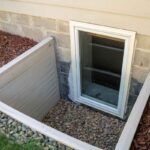
Basement windows should never be overlooked. They are often low to the ground, partly concealed, and less frequently checked. If a basement bedroom uses a window as an emergency escape route, security measures must not interfere with safe egress. Any security bar, grille, or window guard should have a simple interior release that household members can operate quickly in an emergency.
A Guide to Home Window Security Glass Options
Glass is not only about insulation and appearance. It can also influence how a window performs during an impact. Standard insulated glass is suitable for many homes, but certain locations may benefit from added protection.
Laminated glass has an interlayer between panes that helps hold broken glass together. It does not make a window unbreakable, but it can make penetration more difficult and reduce the immediate opening created by breakage. It is worth discussing for ground-level windows in secluded areas, glass near doors, or homes where extra security is a high priority.
Tempered glass is designed to break into small pieces rather than sharp shards. It is commonly used where safety glazing is required, such as near doors or in certain low-level applications. Its main purpose is injury reduction, not forced-entry resistance, so homeowners should not assume tempered glass and laminated glass deliver the same security benefit.
Window security film is another option, particularly when replacing otherwise sound windows is not yet in the budget. Film can help keep shattered glass together, but results depend on the film, the attachment method, and the condition of the existing frame. It is not a substitute for quality glass, reliable locks, and proper installation. A clear assessment of what it can and cannot do will prevent disappointment.
Installation Is Part of the Security System
A well-built replacement window can only perform as intended when it is installed correctly. The frame must be square, securely anchored, and properly sealed. The sash must align with its locks. If any of these details are missed, a homeowner may end up with drafts, difficult operation, and weakened security despite buying a good product.
Professional installation also matters when windows are being replaced in older homes. Opening sizes may be inconsistent, surrounding materials may need repair, and hidden water damage can affect how a new unit is secured. The right approach is not to force a standard-size window into an imperfect opening. It is to measure carefully, address underlying conditions, and manufacture or select a unit that fits the home.
At Window Seal West, locally made windows can be customized for the opening, the home’s style, and the level of security a homeowner wants. Factory-direct manufacturing gives homeowners a clearer path from consultation through installation, without sacrificing the details that affect daily performance.
Make the Outside of the Home Work in Your Favor
Window security also depends on visibility. Trim shrubs and trees that block views of first-floor and basement windows. Keep ladders, tools, and heavy outdoor furniture stored away, since they can provide access or be used to damage glass. Motion-activated exterior lighting can make side yards and rear entry areas less attractive after dark.
Avoid relying on landscaping alone. Thorny plants below a window may discourage casual access, but they can also make maintenance and emergency escape more difficult. The better strategy is balanced: keep access points visible, maintain clear paths for emergency responders, and use lighting where it will not disturb your household or neighbors.
Window coverings can help protect privacy, especially at night. Close blinds or curtains in rooms where valuables are visible from outside. During the day, consider how a person standing on the sidewalk or driveway can see into rooms near accessible windows. Small changes in furniture placement can reduce temptation without giving up natural light.
Pair Physical Protection With Everyday Habits
Security hardware is most effective when everyone in the household uses it consistently. Lock windows whenever you leave, even for a short trip. Do not leave a window open behind an unsecured screen overnight or while away from home. If ventilation is needed, use a window opening control or a secure partial-opening solution designed for that purpose rather than improvising with a stick or loose object.
A monitored alarm system and window sensors can provide another useful layer. They can alert you when a window is opened or broken, but they do not physically stop entry. Think of them as detection tools that work best alongside strong windows, dependable locks, exterior lighting, and attentive habits.
If you are planning a replacement project, prioritize windows based on exposure and condition. A cracked basement slider with a weak lock may deserve attention before an upper-floor picture window that is secure but less energy efficient. On the other hand, replacing several windows together can improve pricing, visual consistency, and installation efficiency. The right decision depends on your budget, the home’s layout, and which risks are most immediate.
Know When Replacement Is the Better Security Upgrade
Replacement is often the practical choice when windows no longer lock reliably, frames are deteriorating, sashes are loose, or glass has failed. Repair can make sense for isolated hardware issues on otherwise sound units. But repeatedly repairing aging windows may cost more over time while leaving you with poorer insulation, outdated components, and limited security options.
Ask clear questions during a window consultation: How does this style lock? Is multi-point locking available? What glass choices fit this location? How will the window be anchored and finished? What warranty applies to the product and installation? Straight answers help homeowners compare quotes based on value, not just the lowest initial number.
A secure home starts with details that work every day: windows that close squarely, locks that engage confidently, glass suited to the location, and installation completed with care. Walk your home this week, test every accessible window, and address the weak points before they become an urgent problem.