A lot of homeowners start thinking about window security after a break-in happens nearby. That makes sense, but the better time to think about the best windows for home security is before there is a reason to worry. The right window does more than look good or improve energy efficiency. It adds real resistance at one of the most common entry points in a home.
Not every window style offers the same level of protection. Some are naturally more secure because of how they lock and how the sash operates. Others can still perform well, but only when paired with stronger hardware, reinforced frames, and the right glass package. If you are comparing replacement windows, it helps to look past the sales language and focus on what actually slows forced entry.
What makes the best windows for home security?
Security starts with window design, but it does not end there. A secure window is really a combination of frame strength, sash operation, locking hardware, glazing, and installation quality. If one part is weak, the whole unit becomes easier to compromise.
The first thing to understand is that windows do not need to be impossible to break. They need to be difficult, noisy, and time-consuming enough that an intruder moves on. That is why the best choices are usually windows with tighter seals, fewer exposed pry points, and hardware that engages firmly into the frame.
Good installation matters just as much as the product itself. Even a well-built unit can underperform if it is not secured properly, if the frame shifts over time, or if small gaps affect how the locks engage. Homeowners often focus on the brochure and overlook the install, but security depends on both.
Best window styles for home security
Casement windows are often one of the strongest options for security. Because they crank outward and lock at multiple points along the frame, they are generally harder to pry open from the outside than a basic sliding or single-hung window. When closed and locked, the sash fits tightly into the frame, which reduces leverage points.
Awning windows also perform well for similar reasons. Their outward operation and compression seal can create a tight, secure fit, especially in smaller openings such as bathrooms or basements. They are not always the first style people think about for security, but they can be a smart choice where ventilation and protection both matter.
Fixed and picture windows can be very secure simply because they do not open. If a window does not operate, there is no sash to manipulate and no lock to bypass. The trade-off is obvious – no ventilation. For areas where airflow is less important, fixed units can be part of a strong overall security plan.
Sliding windows are convenient and popular, but they typically need more attention from a security standpoint. Since the sash moves horizontally on a track, lower-end models can be more vulnerable to forced movement or lifting if the hardware is basic. That does not mean sliding windows are a poor choice across the board. It means quality matters more. A well-made sliding window with a solid frame, anti-lift features, and a dependable lock is very different from an entry-level unit.
Single-hung and double-hung windows can also vary. These styles are common in many homes, but security depends heavily on the locking mechanism and frame fit. If you like the look of hung windows, look for stronger lock options and make sure the unit is manufactured to close tightly without racking or shifting.
Glass matters more than most homeowners expect
When people ask about the best windows for home security, they often focus on the frame or the lock. Those are important, but glass is just as critical. Standard glass can break under force. The question is how easily, how quickly, and what happens after impact.
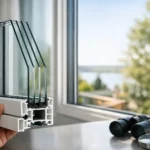
Laminated glass is one of the best upgrades for security-minded homeowners. It uses an interlayer that helps hold the glass together when broken. That means even if the outer layers crack, the opening is harder to breach immediately. It creates delay, noise, and extra effort, all of which work in your favor.
Tempered glass is another option, though it serves a different purpose. It is designed to break into smaller, less dangerous pieces. It can be the right choice in certain areas for safety-code reasons, but if your main priority is intrusion resistance, laminated glass is usually the stronger conversation to have.
For many homes, the right answer is not putting specialty glass everywhere. It may make more sense to upgrade vulnerable areas first, such as ground-floor bedrooms, rear-facing windows, and windows hidden by fencing or landscaping. Security planning is rarely one-size-fits-all.
Hardware and locks can make or break window security
A window is only as secure as the hardware holding it shut. This is where product quality separates itself quickly. Flimsy locks, loose handles, or poorly aligned keepers can turn a decent-looking window into an easy target.
Multi-point locking systems are worth serious consideration, especially on casement and awning styles. Instead of securing the sash in one spot, they engage at multiple points along the frame. That creates a tighter seal and more resistance to forced entry.
For sliding windows, anti-lift blocks and stronger sash interlocks are useful features. These help prevent the panel from being lifted out or shifted enough to defeat the lock. For hung windows, reinforced meeting rails and better-grade locking hardware can improve performance.
This is also where manufacturer control matters. A window company that handles manufacturing and installation has more oversight over how the hardware, frame, and sash work together. That usually leads to better fit, more reliable locking, and fewer problems after installation.
Frame material and build quality
Homeowners sometimes assume all modern window frames are basically the same. They are not. Frame quality affects strength, durability, and how well the sash continues to operate over time.
Vinyl windows are a common choice because they offer strong energy performance and low maintenance. For security, what matters is not just that the frame is vinyl, but how it is built. Thicker profiles, welded corners, reinforced sections, and quality internal components all contribute to a more stable unit.
A poorly made frame can flex, warp, or lose alignment, especially through seasonal temperature swings. Once that happens, locks may not engage the way they should. In a climate with demanding weather, that is not a minor issue. A secure window should still open, close, and lock properly year after year.
Security is not just about the product
Even the best window can be undermined by poor placement, neglected maintenance, or an outdated surrounding structure. Basement windows, garage-side windows, and rear elevations often deserve more attention than front-facing units because they are less visible from the street.
Exterior lighting, trimmed landscaping, and clear sightlines all support window security. So does replacing aging units before seals fail, hardware loosens, or frames deteriorate. Many older windows were never built with today’s expectations for security, energy efficiency, or long-term performance.
This is why homeowners benefit from a full assessment instead of choosing windows by appearance alone. The right recommendation depends on the layout of the home, where the highest-risk openings are, and how much ventilation you want in each room.
How to choose the best windows for home security
Start by thinking in zones rather than treating every opening the same. Ground-level bedrooms, secluded side windows, and back-of-house windows usually deserve the strongest security features. Upper-story windows may not need the same configuration unless they are accessible from a deck or roofline.
Then match style to function. If security is the top priority, casement, awning, and fixed windows are often strong candidates. If you prefer sliding or hung windows for design reasons, choose a higher-quality model with upgraded hardware and discuss available security features before you buy.
Ask about glass options, lock design, and installation methods, not just price. Lower quotes can look appealing until you realize they leave out stronger hardware or better glazing. The cheapest window is rarely the best value if it falls short on security, comfort, or long-term reliability.
For homeowners comparing products, the best path is usually a manufacturer-direct conversation with an experienced team that can explain the trade-offs clearly. Window Seal West takes that approach because security is not about selling the most expensive option. It is about building the right window package for the home, installing it properly, and giving the homeowner confidence in what they chose.
If you are replacing windows soon, think beyond style alone. A secure window should look right, perform well in tough weather, and make forced entry harder from day one. That kind of upgrade pays you back in peace of mind every time you lock up for the night.