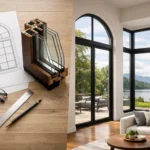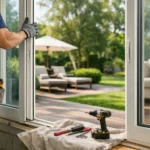
A bungalow can look simple from the street, but choosing new windows for one rarely is. Low rooflines, wide front elevations, and highly visible living spaces mean the wrong window choice stands out fast. If you are comparing the best replacement windows for bungalows, the goal is not just to pick something new. It is to choose windows that suit the home’s proportions, improve comfort, and hold up through years of weather, sun, and daily use.
Bungalows reward good window decisions because so much of the exterior is seen at eye level. Unlike taller homes, where upper-story windows fade into the overall facade, bungalow windows do a lot of visual work. They shape curb appeal, control natural light, affect privacy, and influence heating and cooling costs more than many homeowners expect.
What makes bungalow window replacement different
Most bungalows have a broad, horizontal look. That makes balance especially important. Windows that are too small can make the house feel plain or dated, while oversized units can overwhelm the front elevation and work against the home’s original character.
The best approach usually starts with respecting the architecture. Some bungalows lean traditional, with divided-lite details and symmetrical front windows. Others are more mid-century or ranch-style, where clean glass and wider openings feel more natural. Good replacement windows should improve performance without making the house look like it belongs in a different neighborhood.
There is also a practical side. Because many bungalows are older homes, window openings may not be perfectly square, insulation levels may vary from wall to wall, and previous renovations may have changed trim or siding details. That is why accurate measuring, custom manufacturing, and professional installation matter just as much as the style itself.
Best replacement windows for bungalows by style
For many homeowners, casement windows are one of the strongest options. They suit bungalows well because they offer a clean, tailored appearance and excellent ventilation. A casement window opens outward, which helps catch breezes and move fresh air through the home. In living rooms, bedrooms, and dining areas, that can make a noticeable difference.
Casement windows also tend to seal tightly when closed, which is a real advantage if energy efficiency is high on your list. If your current windows feel drafty in winter or let too much heat in during summer, this style is often worth serious consideration.
Awning windows can also be a smart fit, especially in bathrooms, basements, or any space where privacy and airflow both matter. Because they open from the bottom outward, they are useful in areas where you want ventilation without a large open sash. In some bungalow designs, awning windows work especially well when paired under a fixed picture window.
Picture windows are another strong option for bungalows with a front-facing living room. They bring in generous daylight and create a crisp, open look from both inside and outside. The trade-off is that they do not open, so they work best where airflow can be handled by adjacent operable windows.
Slider windows can be practical in bungalows too, particularly when there is limited exterior clearance from walkways, decks, or landscaping. They are easy to operate and can make sense in bedrooms or side elevations. That said, if maximum energy performance is the priority, many homeowners still prefer casement or awning styles because the seal is typically tighter.
Hung windows can suit more traditional bungalow designs, especially if preserving a classic look matters. They offer familiar styling and can look appropriate on heritage-influenced homes. The choice often comes down to whether appearance or top-tier efficiency is driving the project.
How to choose the right window style for each room
The best replacement windows for bungalows are not always the same throughout the house. A front living room may benefit from a large fixed or picture window to open up the space and improve curb appeal. Bedrooms often need a combination of ventilation, ease of use, and privacy, making casement or slider windows a practical match.
In kitchens, placement matters. A window over the sink should be easy to open and clean, so homeowners often prefer a casement or slider depending on the layout. In bathrooms, awning windows are a common choice because they allow ventilation while maintaining a comfortable level of privacy.
Basement windows deserve attention too. Many bungalows have lower-level living areas that feel darker than the main floor. Updating those windows can improve natural light, comfort, and the overall livability of the basement. The right solution depends on the opening size, code requirements, and how the space is being used.
Energy efficiency matters more in a bungalow
Because a bungalow spreads living space across one level, windows can account for a significant portion of the exterior wall area. That means window performance has a direct effect on comfort and utility costs.
If you are replacing older units, look closely at glass packages, frame quality, and overall construction. Energy-efficient replacement windows can help reduce drafts, improve indoor temperature consistency, and ease the load on your heating and cooling system. In practical terms, that means fewer cold spots near windows in winter and less unwanted heat gain in summer.
It also pays to think beyond the glass. Installation quality plays a major role in real-world performance. Even a high-quality window can underperform if it is not measured properly, insulated correctly, and installed with care. Homeowners often focus on the product and underestimate how much the installation affects long-term results.
Curb appeal and proportion come first
On a bungalow, window design is front and center. Frame thickness, grille pattern, color, and configuration all affect the home’s appearance. This is where many replacement projects either elevate the house or accidentally flatten its character.
If your bungalow has a traditional exterior, divided-lite details may add charm without looking forced. If the design is cleaner and more modern, simpler glass layouts often look better. The goal is visual consistency. Windows should look like they belong to the house, not like they were chosen from a trend board.
Color is another important factor. White remains a safe and popular choice, but darker exterior finishes can add definition and a more updated look when they suit the siding, trim, and roofline. It depends on the age of the home and the style you want to preserve or improve.
Budget, value, and where it pays to spend more
Most homeowners are not just shopping for windows. They are comparing long-term value. That includes upfront price, energy savings, warranty protection, maintenance needs, and how much the upgrade improves the home’s appearance and resale appeal.
For bungalows, it often makes sense to invest more in the front-facing windows because they have the biggest effect on curb appeal and interior comfort. Side and rear elevations may allow for simpler configurations if budget is a concern. A good quote should help you weigh those decisions rather than pushing a one-size-fits-all package.
Factory-direct pricing can make a real difference here. When the manufacturer and installer are closely connected, homeowners often get better control over customization, clearer communication, and more value for the money. That is one reason many Calgary-area homeowners choose companies like Window Seal West when they want custom-fit products, professional installation, and pricing that does not get inflated through layers of middlemen.
Common mistakes bungalow owners should avoid
One of the biggest mistakes is replacing windows with the exact same style without asking whether that style still makes sense. If old sliders were hard to clean, drafty, or visually dated, repeating the same choice may not serve the home well.
Another common issue is choosing purely on price. Lower-priced windows can be tempting, but if the frame quality, glass performance, or installation standards are weak, the savings often disappear over time. This is especially true in climates with major seasonal swings.
It is also easy to overlook sightlines. On a bungalow, large frames and awkward divider patterns are highly visible. A window can be technically functional and still make the home look heavier or less refined than it should.
Getting the best result from your replacement project
The strongest bungalow window projects start with a full-home view. Instead of picking windows one by one, look at the house as a system. Think about ventilation, sunlight, privacy, curb appeal, and energy performance together.
Ask practical questions. Which rooms feel too hot or too cold? Which windows are hardest to operate? Where would more glass improve the space, and where would privacy matter more? Those answers usually point you toward the right mix of styles.
A proper consultation should leave you feeling more confident, not more pressured. You should understand what fits your home, what the trade-offs are, and where your money will have the greatest impact.
The right bungalow windows do more than replace what is old. They make the house feel brighter, quieter, tighter, and more finished – the kind of upgrade you notice every day, not just from the curb.