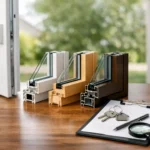
A patio door has to do more than look good beside the backyard. In Calgary, it must stand up to deep winter cold, intense sun, wind, temperature swings, and daily family traffic without becoming a source of drafts, condensation, or hard-to-use hardware. The best patio door materials depend on your home’s exposure, budget, preferred style, and expectations for maintenance – not simply the initial price.
For most homeowners, the right decision starts with the door frame. Glass, weatherstripping, locking hardware, and professional installation matter just as much, but the frame material determines much of the door’s insulation, upkeep, durability, and appearance over time.
What Makes a Patio Door Material Right for Calgary?
A patio door is a large opening in your home’s exterior wall, so small performance differences can be felt quickly. A material that works well in a mild climate may not provide the same comfort during an Alberta cold snap. The best choice should balance thermal performance with strength, expansion and contraction, maintenance needs, and the style of door you want.
Sliding patio doors are often chosen for space-saving operation and wide views. French and garden doors create a more traditional look and can offer a wider opening. Each design puts different demands on its frame and hardware. For example, a large sliding door needs a stable frame that keeps panels aligned, while a hinged door needs a strong structure that resists sagging.
It also pays to think beyond the showroom. Ask how the material performs after years of sun exposure, how easily it can be cleaned, whether it can be customized to suit your home, and what warranty protection applies to the complete installed system.
Best Patio Door Materials Compared
Vinyl: The practical choice for energy efficiency and value
Vinyl is one of the most popular patio door materials for Calgary homeowners, and for good reason. Quality vinyl frames are low-maintenance, do not rot, and provide strong insulating performance. They are especially well suited to replacement projects where homeowners want a comfortable, attractive door without taking on regular painting or staining.
The multi-chamber construction used in well-made vinyl frames helps reduce heat transfer. Combined with energy-efficient insulated glass, proper weatherstripping, and a professional fit, vinyl patio doors can help limit cold spots near the opening and support lower heating demand through the winter.
Vinyl is also a strong value choice. It typically costs less than fiberglass or premium wood systems while delivering dependable long-term performance. Modern manufacturing offers more color and finish options than many homeowners expect, although vinyl still has fewer custom finish possibilities than wood.
The trade-off is structural strength. Standard vinyl is not always ideal for unusually large or very heavy door configurations unless it has appropriate reinforcement and a well-designed frame. This is where manufacturer guidance matters. A door should be specified for the size of opening, glass package, and usage your home requires.
Fiberglass: High performance with a premium feel
Fiberglass is a strong contender for homeowners who want exceptional durability, low maintenance, and a more upscale appearance. It is stable across wide temperature changes and can be made to resemble painted or stained wood. For hinged patio doors, fiberglass is often an appealing option because it delivers strength without the maintenance demands of natural wood.
Its thermal performance is also excellent. Fiberglass does not conduct heat as readily as aluminum, and a properly engineered system can help keep interior surfaces more comfortable in cold weather. It resists moisture, rot, and insect damage, making it a sensible long-term investment for doors exposed to snow, rain, and sun.
The main consideration is cost. Fiberglass patio doors generally require a higher upfront investment than vinyl. For homeowners planning to stay in their home for many years, the combination of durability, insulation, and appearance can justify that difference. For a budget-focused replacement, vinyl may provide better immediate value.
Aluminum: Best for slim frames and contemporary views
Aluminum patio doors are known for clean lines, narrow sightlines, and structural strength. They suit contemporary homes and large glass openings where maximizing daylight and views is a priority. Aluminum frames can support expansive panels while maintaining a refined, modern appearance.
However, aluminum naturally transfers heat more readily than vinyl, fiberglass, or wood. In a cold climate, that can affect comfort and condensation resistance if the door does not use a thermally broken frame. A thermal break is an insulating barrier within the frame that helps reduce heat movement from indoors to outdoors.
High-quality thermally broken aluminum systems can perform well, but homeowners should compare the full door’s energy performance rather than choosing based on appearance alone. Aluminum can be an excellent fit for a particular architectural design, but it is rarely the lowest-cost route to a highly insulated patio door.
Wood: Warm character with ongoing care
Wood brings a warmth and character that other materials work hard to imitate. It can be painted or stained in nearly any color, repaired when damaged, and tailored to traditional homes, heritage properties, and detailed custom designs. For the right project, a wood patio door can be a beautiful architectural feature.
That beauty comes with responsibility. Wood needs regular inspection and maintenance to protect it from moisture and sun exposure. Paint or stain must be kept in good condition, particularly on doors that face harsh weather. If water gets behind a failing finish, the risk of swelling, cracking, or rot increases.
Wood is usually best for homeowners who value authentic appearance and are prepared to maintain it. In some cases, a fiberglass door with a wood-look finish can offer a similar style with less upkeep. The right answer depends on whether authentic wood is essential to your home’s design.
The Best Patio Door Materials Also Need the Right Glass
Frame material matters, but it is only part of the equation. Patio doors contain a large amount of glass, and that glass has a major effect on indoor comfort, energy use, and fading protection for furniture and flooring.
For Calgary homes, an insulated glass unit with low-emissivity coating is a smart starting point. Low-E glass helps reflect heat where it is needed while still allowing useful natural light into the home. The right glass package can also help manage summer solar gain, especially for south- and west-facing openings.
Triple-pane glass may be worth considering when comfort near the door is a top priority or when the opening faces frequent wind. It adds weight and cost, so the patio door frame and operating system must be designed to support it. A knowledgeable consultation can help determine whether the upgrade delivers meaningful value for your specific home.
Do Not Overlook Hardware and Installation
Even the best frame material cannot compensate for poor installation. An improperly leveled sliding door may not glide smoothly. Gaps around the frame can lead to drafts and moisture concerns. Poorly adjusted hardware can make a secure door difficult to lock.
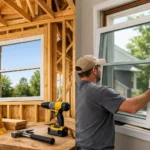
A complete patio door replacement should include careful measurement, a review of the existing opening, appropriate flashing and insulation, and a clean finish inside and out. The goal is not simply to place a new door in the wall. It is to create a weather-tight, secure opening that operates properly in every season.
Hardware deserves the same attention. Look for smooth rollers or hinges, durable handles, multipoint locking where available, and secure screen options. These are the parts you touch every day, and their quality shapes your experience long after the door is installed.
How to Choose the Right Material for Your Home
If your priority is reliable insulation, easy care, and factory-direct value, a quality vinyl patio door is often the sensible choice. If you want a high-end material with excellent strength and a wood-like appearance, fiberglass deserves serious consideration. If your renovation centers on large glass panels and a modern design, thermally broken aluminum may be the right fit. If your home calls for genuine natural wood and you are comfortable with periodic upkeep, wood remains a distinctive option.
Before committing, consider the direction the door faces, the size of the opening, how often it will be used, and whether you expect to remain in the home long term. A patio door should be tailored to those practical details, not selected from a one-size-fits-all display.
At Window Seal West, homeowners can work with an experienced manufacturer-installer to select a Canadian-made patio door built for local conditions, then have it measured and installed by a professional team. A clear quote, the right material, and careful installation can turn a draft-prone opening into a comfortable connection between your home and your outdoor space.
A good final step is to stand near your current patio door on a windy day and note what is not working – cold glass, difficult operation, poor security, fading finishes, or limited light. Those everyday frustrations will point directly to the material and door system that will serve your home best.